
Maintaining good oral hygiene involves more than just brushing your teeth. Flossing is essential to remove plaque and food particles from areas that a toothbrush cannot reach. Here’s a guide to using dental floss and floss picks, along with product recommendations.
Using Dental Floss
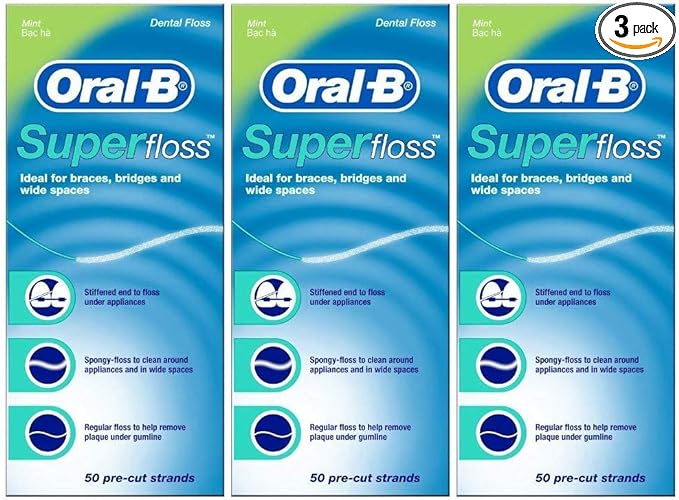
Choose the Right Floss: There are different types of floss available, including waxed, unwaxed, and flavored. A highly recommended product is Oral-B Glide Pro-Health Dental Floss. It’s thin, easy to use, and slides smoothly between teeth.
Using Floss Picks
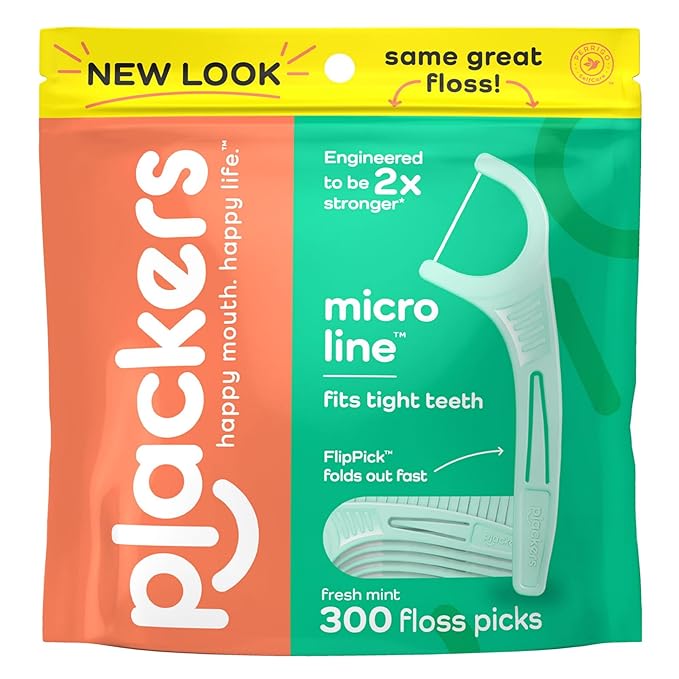
Choose the Right Floss Pick: Floss picks are convenient and easy to use, especially for those with limited dexterity. Plackers Micro Mint Dental Floss Picks are a popular choice due to their strong floss and minty freshness.
Proper Technique:
Hold the Pick: Hold the floss pick handle with a firm grip.
Insert and Clean: Insert the floss section between your teeth using a gentle back-and-forth motion.
Move Up and Down: Gently slide the floss up and down along the sides of each tooth, ensuring you clean below the gum line.
Use Both Ends: Many floss picks come with a pointed end that can be used as a toothpick to remove larger food particles from between teeth.
Conclusion
Whether you choose traditional dental floss or floss picks, incorporating flossing into your daily routine is crucial for maintaining healthy teeth and gums. Oral-B Glide Pro-Health Dental Floss and Plackers Micro Mint Dental Floss Picks are excellent products that make flossing easy and effective. Consistent flossing helps prevent gum disease, cavities, and ensures overall better oral hygiene.
-

9 Winter Garden Problems You Might Not Notice Until Spring
Winter can make a garden look almost maintenance-free. Plants stop growing, weeds seem to disappear, and the whole yard gets quieter. That doesn’t mean everything is fine underground…
-
Why More Homeowners Are Replacing Raised Beds With These Easier Garden Ideas
For years, raised garden beds have been one of the most popular backyard projects. They’re neat, organized, and can make almost any yard look like it’s ready for…
-
15 Houseplants Safe for Cats and Dogs
If you share your home with a curious cat or an energetic dog, you already know one thing: sooner or later, they’re going to investigate your plants. Whether…
-
9 Winter Garden Problems You Might Not Notice Until Spring
Winter can make a garden look almost maintenance-free. Plants stop growing, weeds seem to disappear, and the whole yard gets quieter. That doesn’t mean everything is fine underground or beneath the snow. Some garden problems stay hidden for weeks and only become obvious when temperatures rise again. A little attention during winter can help you…
-
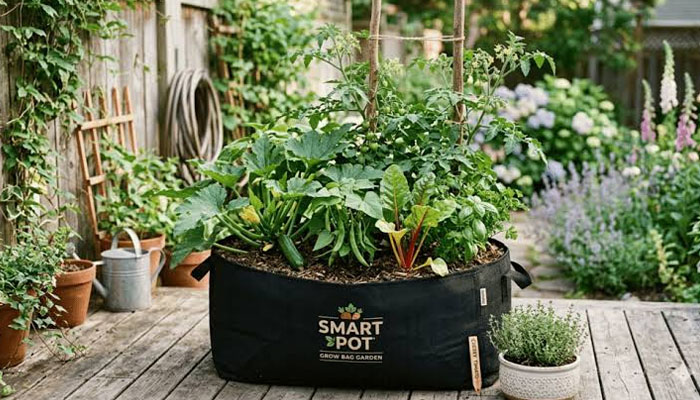
Why More Homeowners Are Replacing Raised Beds With These Easier Garden Ideas
For years, raised garden beds have been one of the most popular backyard projects. They’re neat, organized, and can make almost any yard look like it’s ready for a gardening magazine. If you’ve spent any time browsing gardening videos or home improvement websites, you’ve probably seen dozens of beautiful raised bed gardens. But after living…
-
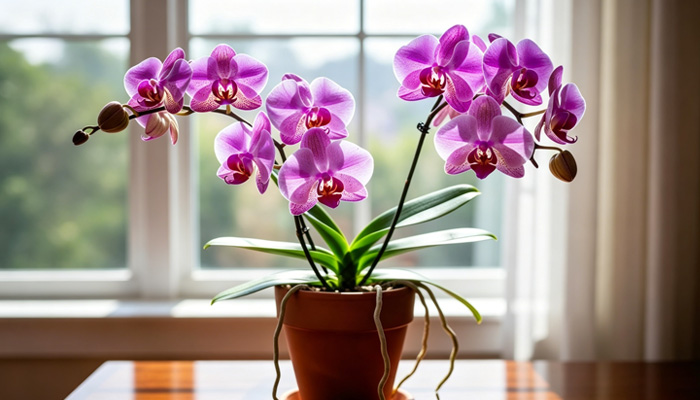
15 Houseplants Safe for Cats and Dogs
If you share your home with a curious cat or an energetic dog, you already know one thing: sooner or later, they’re going to investigate your plants. Whether it’s a kitten chewing on leaves or a puppy digging in the soil, pets and houseplants often cross paths. The problem is that many popular indoor plants…
-
9 Proven Gardening Hacks to Trigger Faster Flower Blooms
Getting flowers to bloom faster is one of the most rewarding goals in home gardening. While many people assume flowering depends mostly on plant type or luck, the reality is that small care decisions have a major impact on how quickly plants produce blooms. Soil quality, sunlight exposure, watering habits, and routine maintenance all work…
-
8 Easy Garden Path Tips for a More Finished Backyard
A garden path can change the way a yard feels almost immediately. It gives people a clear place to walk, connects outdoor areas, and makes a backyard look more planned instead of unfinished. The good news is that a DIY garden path does not have to be expensive or complicated. With the right material, shape,…
-
11 Common Types of Birch Trees You Should Grow in Your Garden
Birch trees are among the most elegant and recognizable trees in the world. With their distinctive bark, graceful branches, and seasonal beauty, they bring a natural sense of calm and structure to any garden. Whether you want shade, ornamental appeal, or wildlife support, birch trees offer a wide range of options for different climates and…