
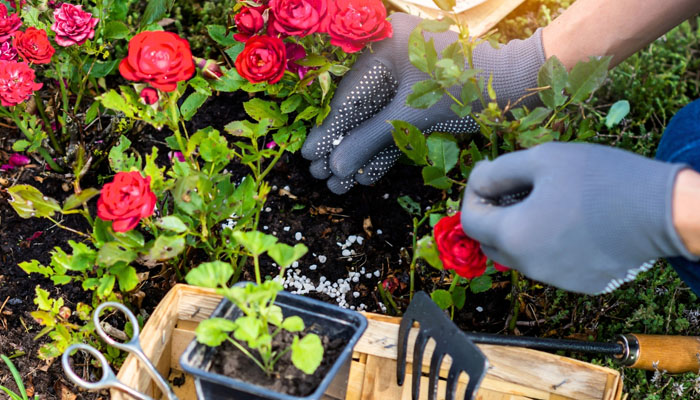
If your garden feels a little underwhelming—fewer flowers, pale leaves, slow growth—the problem might not be sunlight or watering. More often than people realize, it comes down to timing. Fertilizing at the right moment can completely change how your plants perform. Do it too late, and you miss the growth surge. Do it right now, and you unlock bigger blooms, deeper color, and fuller foliage.
Here are six plants that benefit the most from a timely feeding—and how to do it right without overthinking it.
1. Roses: Feed Now for Show-Stopping Blooms
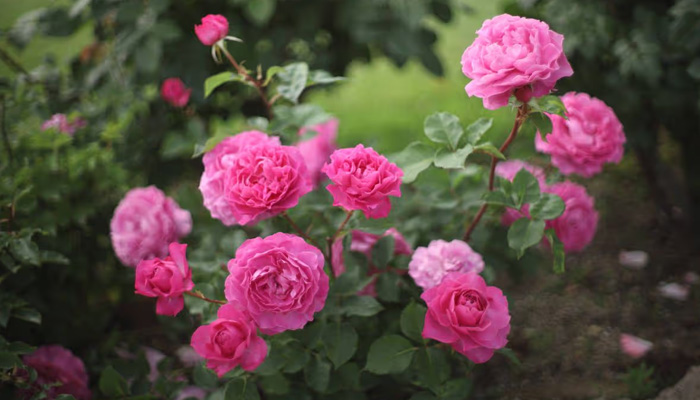
Roses are heavy feeders. If you want those classic, full, layered blooms that look straight out of a magazine, they need nutrients early in the growing season.
Right now, roses are shifting from dormancy into active growth. This is when they’re building the energy that fuels their first major bloom cycle. A balanced fertilizer (like 10-10-10) or one slightly higher in phosphorus will encourage stronger buds and richer color.
What most people get wrong is waiting until buds appear. By then, the plant has already decided how big and vibrant those blooms will be. Feeding earlier gives you control over that outcome.
Quick tip: Water deeply before and after fertilizing to avoid root burn and help nutrients absorb properly.
2. Hydrangeas: Bigger Blooms Start Underground
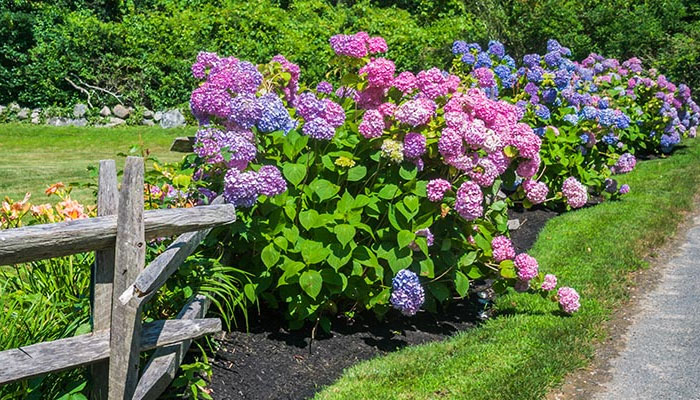
Hydrangeas are famous for their big, dramatic flower heads—but those blooms don’t just happen. They’re heavily influenced by soil nutrients.
Fertilizing now supports root development and bud formation. If you’re growing varieties like bigleaf hydrangeas, early feeding also plays a role in flower size and even color intensity.
Use a slow-release fertilizer with a balanced ratio, or one tailored for flowering shrubs. Avoid going too heavy on nitrogen, or you’ll end up with lush leaves but fewer blooms.
What people overlook: Hydrangeas don’t just need feeding—they need consistency. One early application sets the stage, but steady care keeps the show going.
3. Tomatoes: Set the Foundation Before They Explode
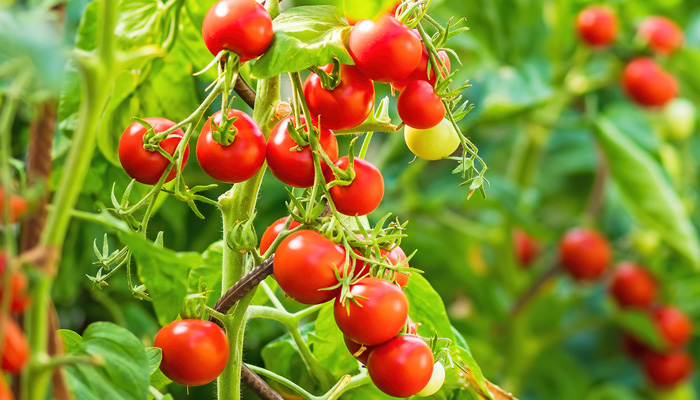
Tomatoes grow fast—but only if they have the nutrients to support that growth.
Right now, before they start flowering heavily, is the perfect time to fertilize. This helps build strong stems, healthy foliage, and a root system capable of supporting fruit later.
Choose a fertilizer slightly higher in phosphorus than nitrogen. Too much nitrogen leads to big leafy plants with disappointing fruit production—a common frustration for home gardeners.
Simple rule: Feed before flowering, then adjust once fruit sets. Early nutrition is what determines how productive your plants will be.
4. Peonies: Feed Once, Enjoy for Years
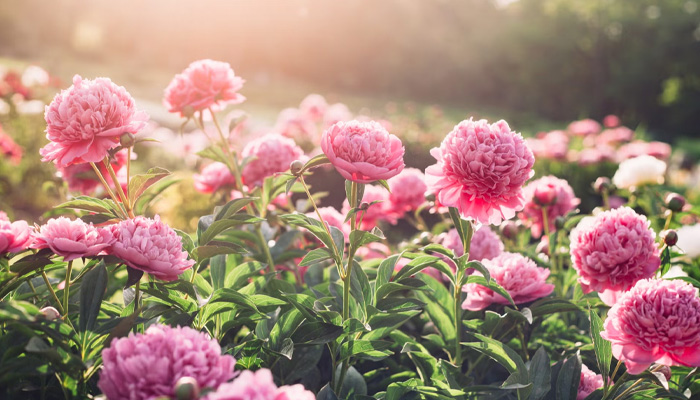
Peonies are long-lived perennials, but they don’t respond well to neglect. If your peonies bloom weakly or not at all, they’re likely lacking nutrients.
Early fertilization helps support bud development and overall plant strength. A low-nitrogen fertilizer is ideal, since too much nitrogen encourages leaves over flowers.
Peonies are also a great example of “less but better.” One well-timed feeding now can make a noticeable difference without needing constant attention.
Hidden factor: Healthy soil matters just as much as fertilizer. If your soil is compacted or depleted, even good feeding won’t fully fix the problem.
5. Lawn Grass: Turn Thin Patches into Thick Green Growth
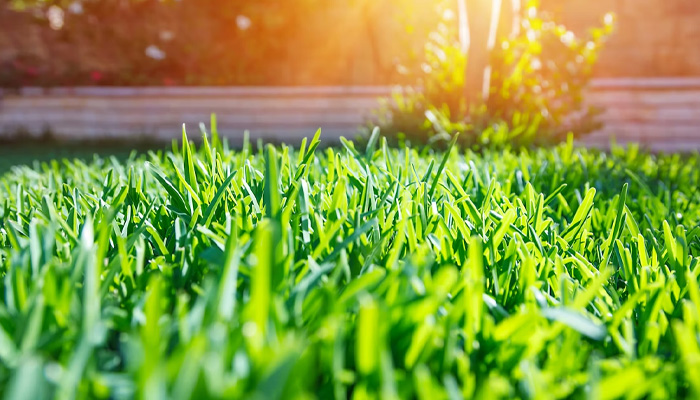
Grass might not seem like a “plant” in the same way flowers are—but it responds dramatically to proper fertilization.
If your lawn looks patchy, pale, or uneven, early feeding can trigger a wave of fresh growth. Nitrogen-rich fertilizers work best here, promoting lush, green blades.
Timing matters more than most people think. Fertilizing too late can lead to weak growth or increased susceptibility to heat stress.
Pro insight: Combine fertilizing with proper mowing height. Cutting grass too short cancels out many of the benefits of feeding.
6. Flowering Annuals: Boost Continuous Color
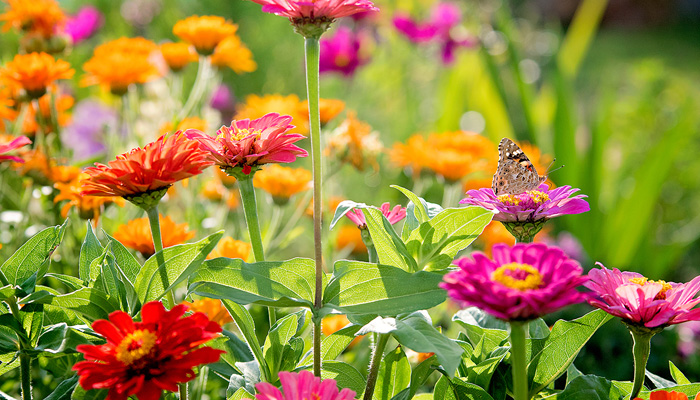
Petunias, marigolds, zinnias, and other annuals are designed to bloom nonstop—but only if they’re fed regularly.
These plants grow fast and burn through nutrients quickly. Fertilizing now helps them establish strong early growth, which leads to more blooms over a longer period.
Liquid fertilizers work especially well for annuals because they act quickly. A weekly or biweekly feeding schedule can keep them looking full and vibrant.
Common mistake: Waiting until plants look tired. By then, you’re trying to fix a problem instead of preventing it.
How to Fertilize Without Overdoing It
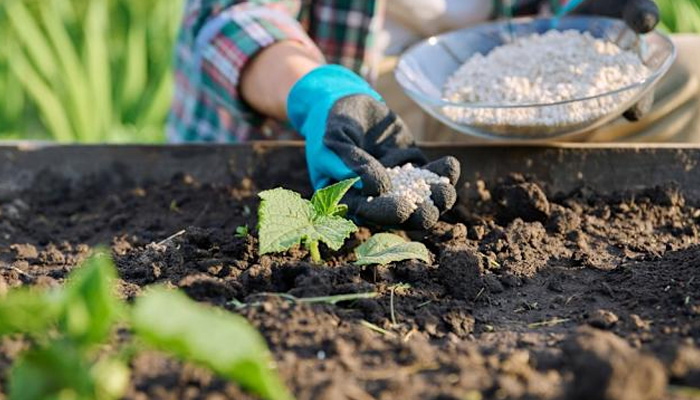
Fertilizing is powerful—but more isn’t always better. Overfeeding can lead to burnt roots, excessive leaf growth, or even plant stress.
Here are a few simple rules that apply to almost everything:
Always water before and after applying fertilizer
Follow label instructions (doubling the dose doesn’t double the results)
Choose the right type: slow-release for stability, liquid for quick boosts
Match nutrients to goals (more nitrogen for leaves, more phosphorus for blooms)
Think of fertilizer as a support system, not a shortcut. It works best when combined with proper watering, sunlight, and soil care.
The Real Advantage: Timing
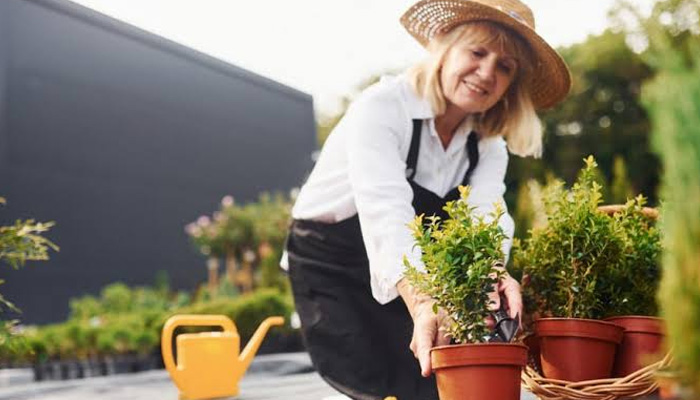
Most gardeners focus on what to use. The smarter approach is focusing on when to use it.
Right now—early in the growth cycle—is when plants are most responsive. This is when they’re building the structures that determine how they’ll look for the rest of the season.
Miss this window, and you can still fertilize—but you’re playing catch-up. Hit it at the right time, and everything becomes easier: fuller plants, brighter blooms, healthier growth.
Final Thought
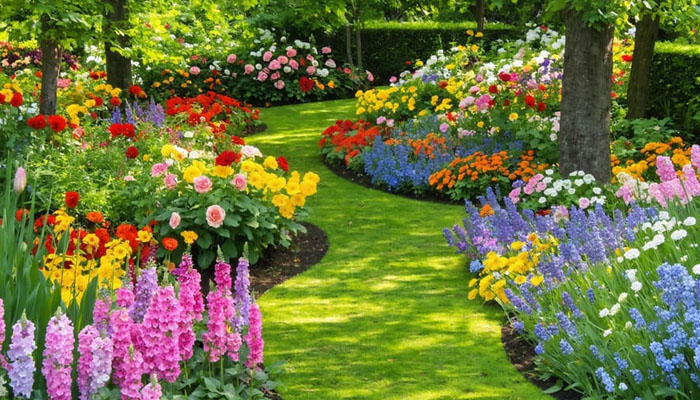
You don’t need complicated routines or expensive products to get a better garden. Often, it comes down to a few well-timed actions.
Feeding these six plants now gives you one of the highest returns for the effort you put in. It’s the difference between “it’s growing” and “it looks amazing.”
And once you see that difference, you’ll never look at fertilizer timing the same way again.