
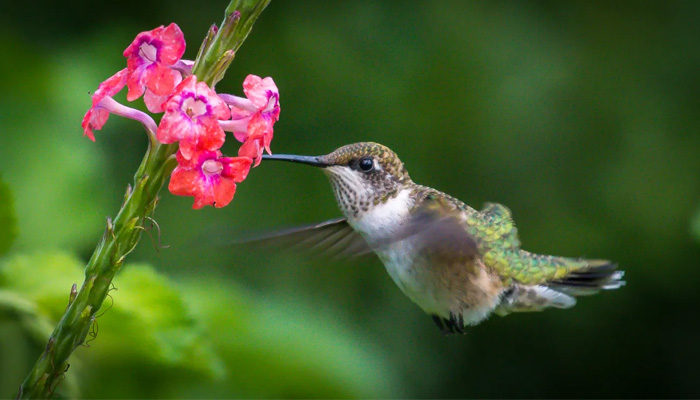
There’s something almost magical about hummingbirds. One moment your yard feels still, and the next, a tiny blur hovers in midair, wings buzzing like a miniature engine. These birds burn energy fast—so fast that they need to eat almost constantly. That’s actually good news for you: if you provide reliable food and a safe space, they’ll keep coming back.
The best part? You don’t need a big garden or a complicated setup. A few simple changes can turn even a small yard—or balcony—into a hummingbird hotspot.
1. Plant Bright, Nectar-Rich Flowers
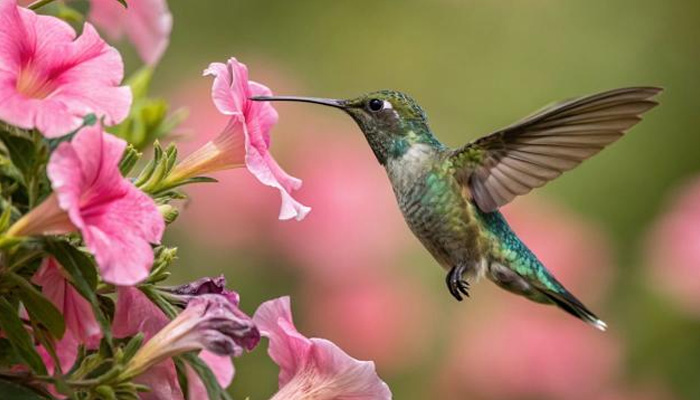
Hummingbirds are visual feeders. Bright colors—especially red, orange, and pink—act like a flashing “open” sign. Tubular-shaped flowers are even better because they naturally fit a hummingbird’s long bill.
Go for plants like bee balm, salvia, columbine, or trumpet vine. If possible, choose native species—they bloom at the right time and are easier to maintain.
A smart trick: stagger your planting. Pick flowers that bloom at different times so there’s always something available. If your yard offers consistent nectar, hummingbirds are far more likely to stay instead of moving on.
2. Set Up a Simple Sugar-Water Feeder
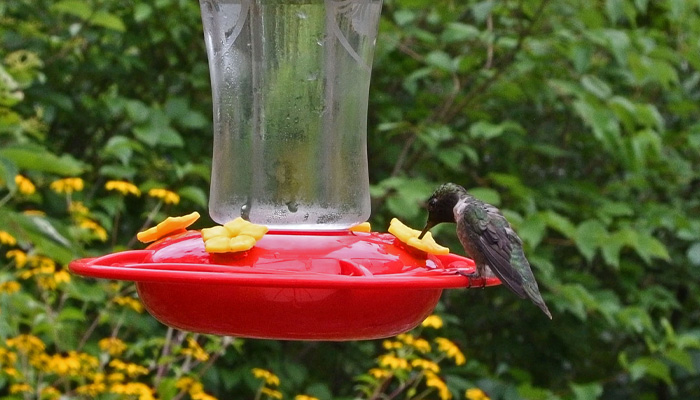
If you want fast results, this is it.
Mix one part white sugar with four parts water. That’s all you need—no dyes, no additives. In fact, red food coloring can be harmful, so skip it.
Placement matters more than people think. Put the feeder where it’s visible but not baking in direct sunlight all day. Too much heat can spoil the nectar quickly.
And here’s the key habit: clean it often. In warm weather, every 2–3 days is ideal. A dirty feeder grows mold and can actually drive hummingbirds away—or worse, make them sick.
3. Provide Fresh Water (But Keep It Shallow)
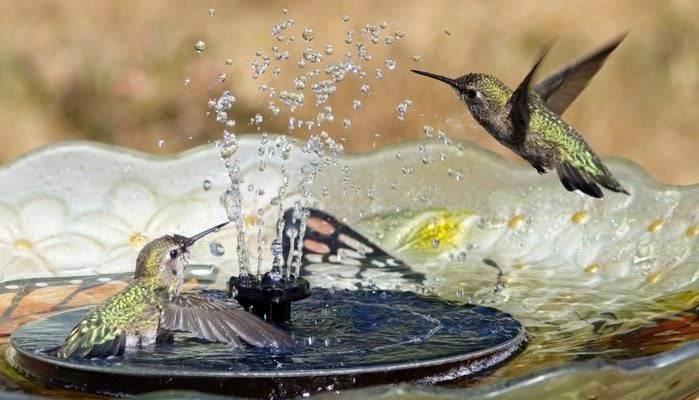
Hummingbirds don’t use birdbaths the way larger birds do. They prefer shallow water or fine mist.
A simple dripper, mister, or small fountain works well. Moving water catches their attention, and they’ll often fly through mist to clean themselves.
Even a very small water feature can make your yard more attractive. Think less “big birdbath” and more “gentle, moving water.”
4. Give Them a Place to Rest
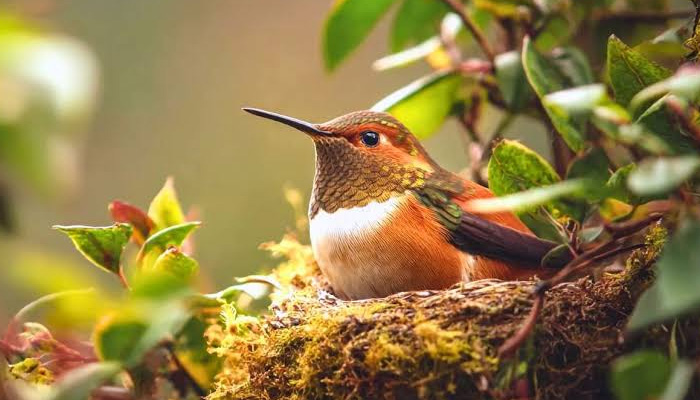
Hummingbirds aren’t always in motion. They do perch—just not for long.
They prefer thin branches, shrubs, or even clotheslines where they can watch their feeding area. If your yard is too open, they may not feel comfortable sticking around.
Adding a few natural perches—like small trees or shrubs—creates a sense of safety. It also gives you a better chance to actually see them resting instead of just darting by.
5. Avoid Pesticides
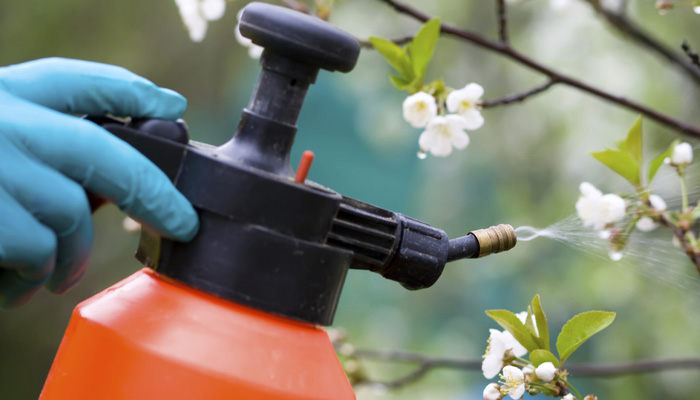
Here’s a detail many beginners miss: hummingbirds need protein, not just sugar.
They eat small insects and spiders, especially during breeding season. If you use pesticides, you’re removing an important part of their diet—and possibly exposing them to harmful chemicals.
A more natural yard doesn’t just help hummingbirds; it creates a healthier ecosystem overall. If pests become an issue, try manual removal or natural solutions instead of chemical sprays.
6. Be Consistent—They Remember Good Spots
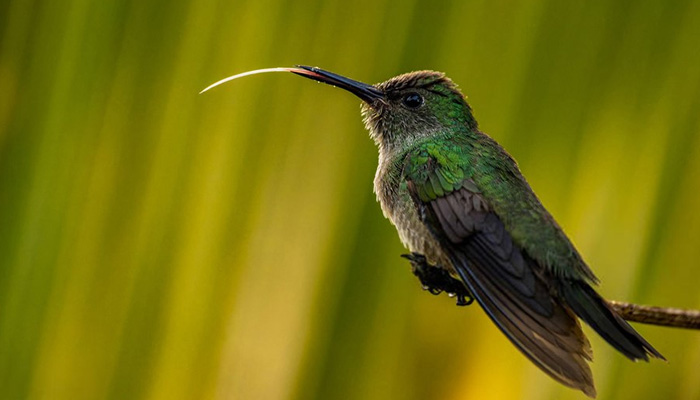
Hummingbirds have surprisingly strong memory. Once they find a reliable food source, they’ll return regularly—and may even come back the next year.
Consistency is what turns a “one-time visit” into a habit. Keep feeders filled, flowers blooming, and water available. Try not to move things around too much, especially during peak season.
Over time, your yard can become part of their routine. Some people even notice hummingbirds arriving at nearly the same time each year.
Final Thoughts
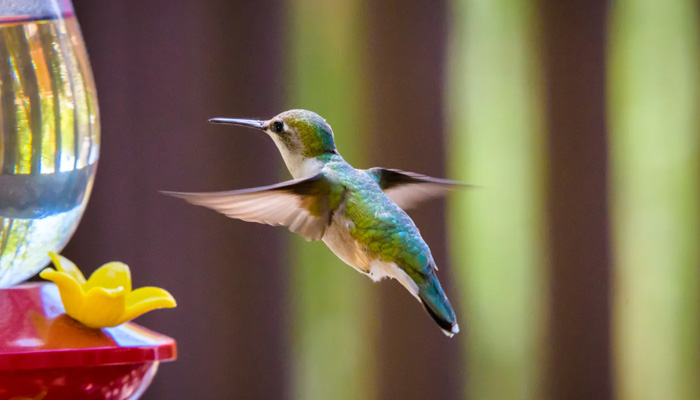
Attracting hummingbirds isn’t complicated—it’s about reliability. Food, water, safety, and consistency all work together.
You don’t need to do everything at once. Start with a feeder and a few flowers, then build from there. Once hummingbirds discover your space, they tend to stick with what works.
And that’s the real reward: not just seeing a hummingbird once, but knowing your yard has become a place they trust—and return to again and again.