
We independently evaluate all recommended products and services. If you click on links we provide, we may receive compensation. Learn more.
Proper care and maintenance of kitchen utensils are crucial for ensuring their longevity and functionality. Different materials require specific handling techniques to maintain their optimal performance and hygiene. This article will explore the best methods for caring for and maintaining various types of kitchen utensils commonly found in a modern kitchen.
By following these simple guidelines, you can extend the life of your favorite cookware and utensils.
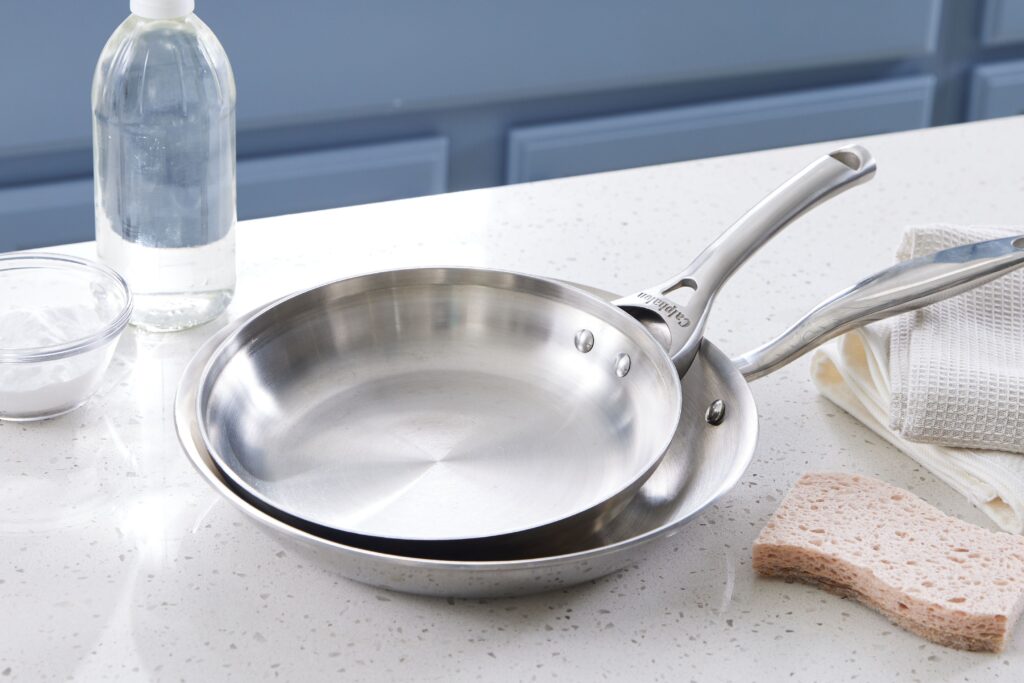
Stainless steel utensils are known for their durability, rust resistance, and low maintenance. To keep them looking their best, simply clean them with soapy water and a non-abrasive sponge. For tougher stains, use a baking soda paste. To restore shine, use a stainless steel cleaner or a vinegar and water mixture. Store them in a dry place to prevent water spots.
Wooden Utensils and Cutting Boards
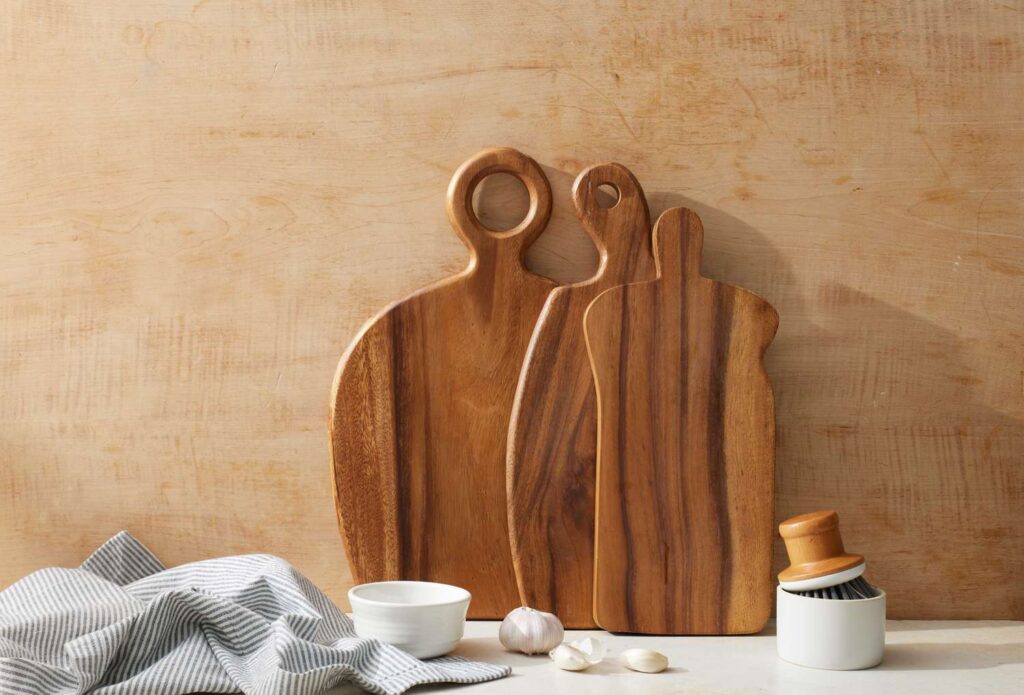
While beautiful and gentle on cookware, wooden utensils require special care. Avoid soaking in water. Instead, wash quickly with mild soap and warm water. Rinse and dry immediately. To keep them fresh, periodically, scrub with coarse salt and a cut lemon to remove odors and sanitize. Finally, apply food-grade mineral oil or beeswax periodically to prevent drying and cracking.
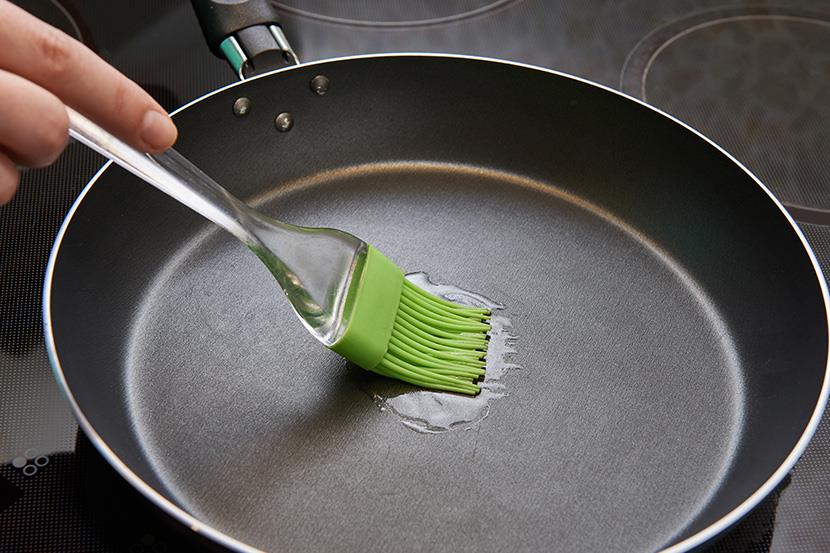
Non-stick pans offer a delightful cooking and cleaning experience, but they require a gentle touch to preserve their magic coating. Stick to soft sponges and mild soap, avoid harsh cleaners and scouring pads, and use wooden, silicone, or plastic utensils to prevent scratches. Store them with protective layers or hang them to ensure they stay scratch-free and ready for your next culinary adventure.
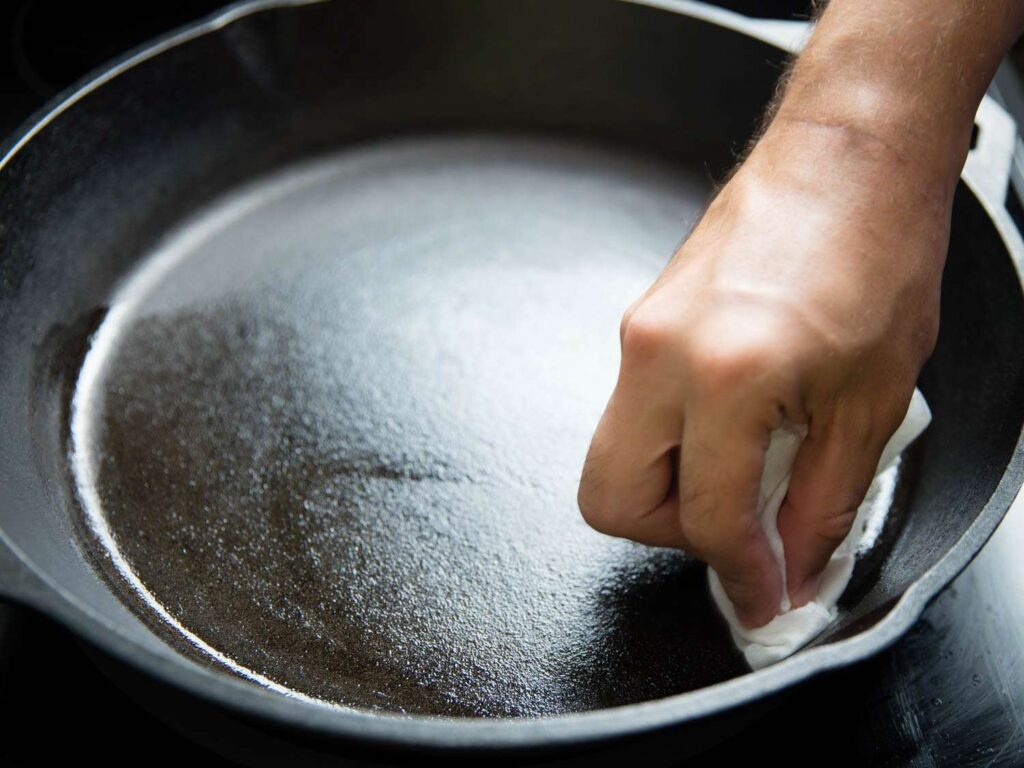
Cast iron skillets are culinary workhorses, boasting unmatched durability and heat retention. However, they require a touch of TLC to maintain their non-stick magic. Ditch the soap and use coarse salt and water for cleaning, followed by a chainmail scrubber for tougher jobs. Maintaining is key, so after drying thoroughly, apply a thin oil layer and heat it to create a protective, non-stick coating. Store them in a dry place and avoid stacking heavy items to preserve their shape for generations of delicious meals.
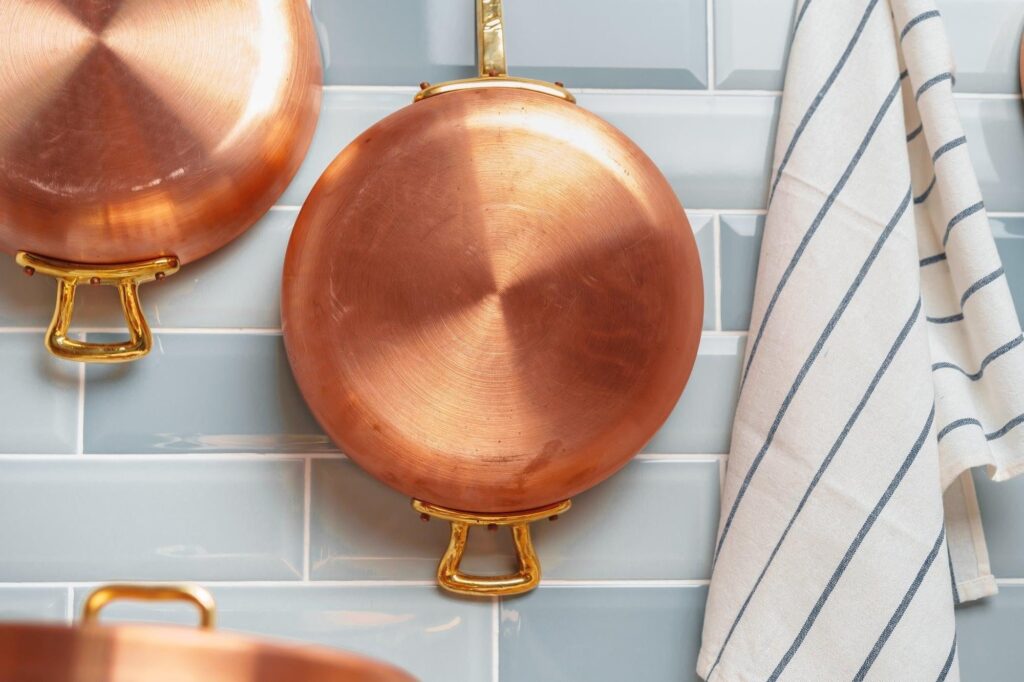
Copper pots are coveted for their exceptional heat distribution and stunning looks, but keeping them gleaming requires a bit of extra care. Gentle washing with mild soap and water is key, followed by polishing with a homemade paste of salt, flour, and vinegar to restore their shine. Store them in a dry place and use pot protectors when stacking to prevent scratches and maintain their beauty for years to come.
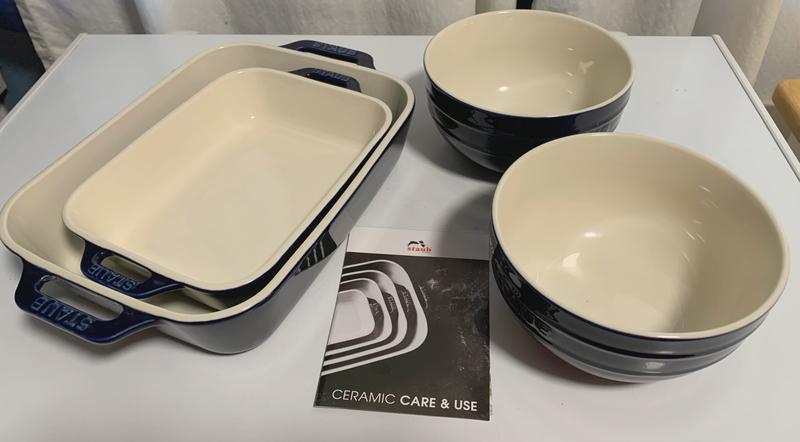
Ceramic and glass bakeware offer the benefits of non-reactivity and even heat distribution, but they require careful handling to avoid chipping or breaking. Soak them in warm soapy water to loosen baked-on food, and use gentle cleaning tools like non-abrasive sponges or cloths. Be mindful of temperature changes to prevent cracking, and store them carefully to avoid damage.
-
9 Winter Garden Problems You Might Not Notice Until Spring

Winter can make a garden look almost maintenance-free. Plants stop growing, weeds seem to disappear, and the whole yard gets quieter. That doesn’t mean everything is fine underground or beneath the snow. Some garden problems stay hidden for weeks and only become obvious when temperatures rise again. A little attention during winter can help you…
-
Why More Homeowners Are Replacing Raised Beds With These Easier Garden Ideas
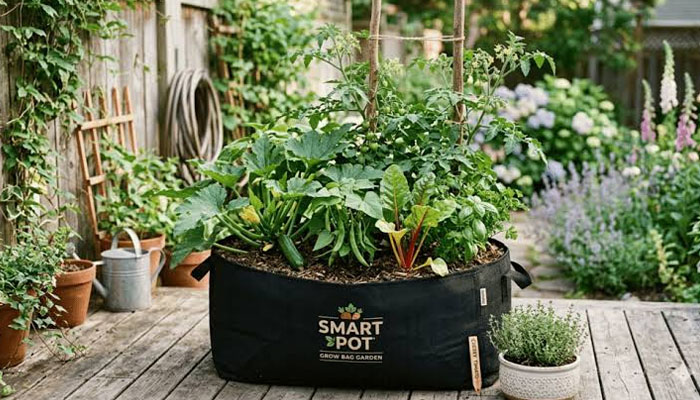
For years, raised garden beds have been one of the most popular backyard projects. They’re neat, organized, and can make almost any yard look like it’s ready for a gardening magazine. If you’ve spent any time browsing gardening videos or home improvement websites, you’ve probably seen dozens of beautiful raised bed gardens. But after living…
-
15 Houseplants Safe for Cats and Dogs
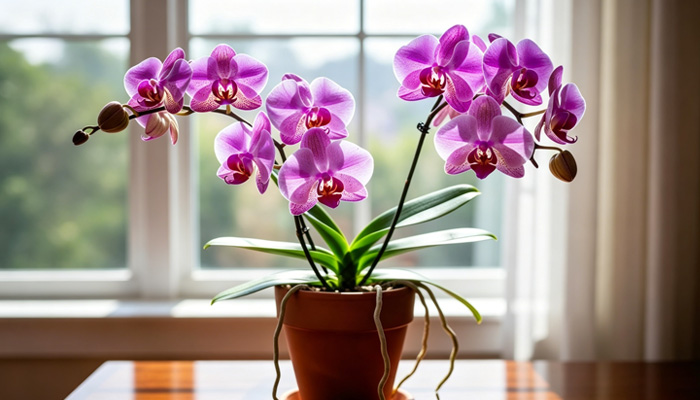
If you share your home with a curious cat or an energetic dog, you already know one thing: sooner or later, they’re going to investigate your plants. Whether it’s a kitten chewing on leaves or a puppy digging in the soil, pets and houseplants often cross paths. The problem is that many popular indoor plants…