
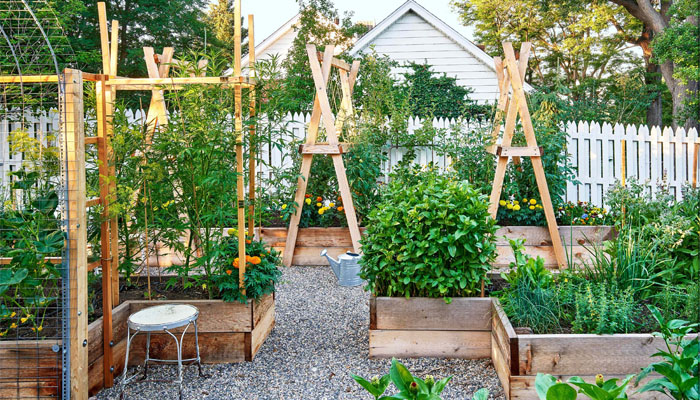
Dreaming of fresh vegetables, fragrant herbs, and colorful flowers just steps from your door? A raised bed garden can turn that dream into reality, even if you’re completely new to gardening. With a little planning, basic supplies, and the right plants, almost any backyard can become a productive growing space. Here’s how to create a raised garden bed that looks great and produces healthy plants throughout the growing season.
1. Find the Perfect Backyard Location
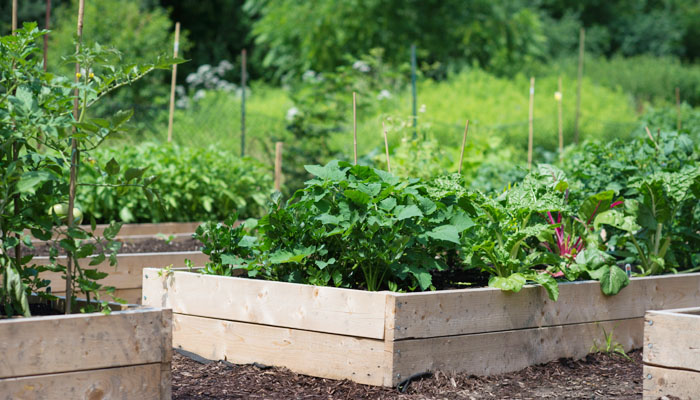
Before buying lumber or filling a garden bed with soil, take a good look at your backyard. The right location can make gardening much easier and give plants a better chance to thrive.
Most vegetables need at least six to eight hours of direct sunlight daily. Tomatoes, peppers, and beans especially appreciate sunny conditions, while leafy greens can tolerate some afternoon shade.
Choose a relatively level area with good drainage. Avoid low spots where rainwater collects, since constantly wet conditions can damage roots. Large trees can also create problems by blocking sunlight and competing for moisture.
Convenience matters, too. Position your raised bed near a water source so regular watering doesn’t become a chore.
Finally, leave enough walking space around the bed. A comfortable layout makes planting, weeding, and harvesting more enjoyable.
2. Choose the Right Raised Garden Bed
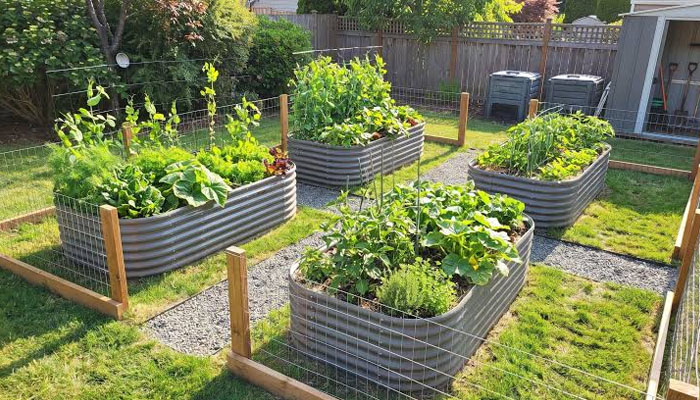
Raised garden beds come in many shapes, sizes, and materials. The best choice depends on your backyard space, gardening goals, and budget.
A rectangular bed approximately four feet wide is a popular starting point. This width allows most adults to reach the center from either side without stepping on the soil. Length can vary according to available space.
When choosing materials, consider these common options:
Untreated wood: Offers a natural appearance and works well for DIY raised garden beds. Cedar is popular because of its natural resistance to decay.
Galvanized metal: Provides durability and a modern appearance, although exposed surfaces can become hot in strong sunlight.
Composite boards: Often resist moisture and deterioration, but may cost more than basic lumber.
Bed height is another consideration. Shallow beds can work for many crops when placed over suitable existing soil, while deeper beds provide additional room for roots.
Beginners can purchase ready-made raised garden bed kits or build a simple frame using appropriate outdoor materials.
3. Prepare the Best Soil for Planting
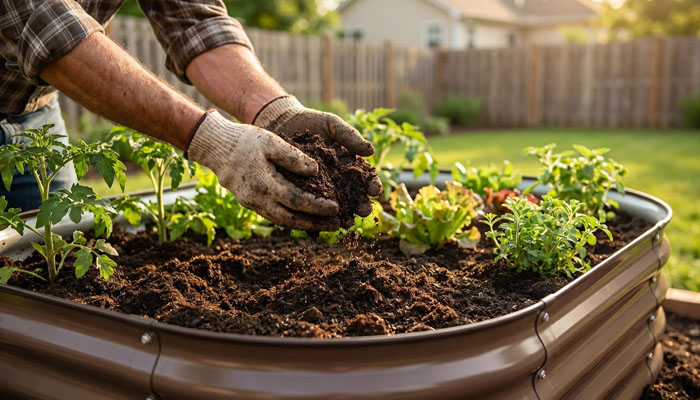
Healthy soil is the foundation of a successful raised bed garden. Unlike traditional gardening, raised beds allow greater control over the growing environment from the beginning.
Start with a suitable raised bed soil blend that combines mineral soil with organic matter. Quality topsoil and finished compost can provide a good foundation, supporting drainage, moisture retention, and healthy root development.
Avoid filling the entire bed with heavy clay soil or unfinished organic waste. These materials can create drainage problems or settle unevenly as they break down.
If you’re uncertain about nutrient levels or soil acidity, consider a soil test. The results can help determine whether additional amendments are necessary.
Before planting, gently level the soil and water it to help the mixture settle. Add more soil if needed, leaving a little space below the top edge to prevent overflow.
A well-prepared bed gives vegetables and herbs a better start while making future garden maintenance easier.
4. Pick Easy Plants for Beginners
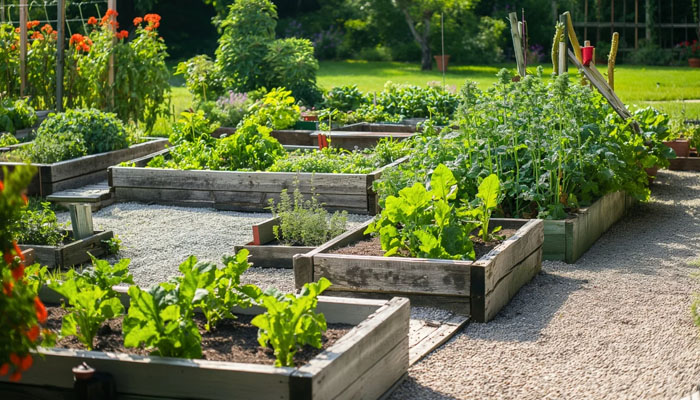
One of the most exciting parts of raised bed gardening is choosing what to grow. However, planting too many varieties at once can make a new garden difficult to manage. Starting with a few beginner-friendly plants helps build confidence and makes the first growing season more enjoyable.
Lettuce and other leafy greens are excellent choices, especially during cooler spring and fall weather. They grow relatively quickly, and many varieties allow repeated harvesting. Radishes are another beginner favorite because they require little space and can be ready to harvest within just a few weeks.
Bush beans are ideal for gardeners looking for an easy summer crop. They grow in compact shapes and generally don’t require the tall supports needed by climbing beans. For those who enjoy cooking, herbs such as basil, parsley, and chives are practical additions that provide fresh flavor right from the backyard.
Tomatoes are also popular in raised garden beds, although they need more room, sunlight, and support as they grow.
Before planting, check local growing conditions and follow recommended spacing guidelines. Giving each plant enough room to develop improves air circulation and reduces competition for water and nutrients. Starting with a small selection of vegetables and herbs makes it easier to maintain a healthy, productive garden.
5. Water and Maintain Your Garden
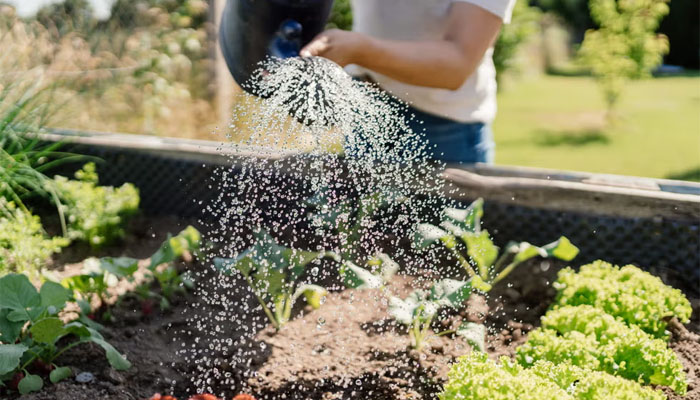
Once your plants are growing, consistent care becomes the key to a productive raised bed garden.
Raised beds may dry out faster than in-ground gardens, particularly during hot weather. Instead of watering on a rigid schedule, check the soil regularly. If the upper inch feels dry, investigate moisture slightly deeper and water when needed.
Watering near the base of plants helps direct moisture toward their roots. A watering wand, soaker hose, or drip irrigation system can make the process more convenient.
Add a thin layer of organic mulch around established plants to conserve moisture and discourage weeds. Keep mulch away from stems to reduce unnecessary moisture buildup.
Make a habit of inspecting leaves for discoloration, holes, or insect activity. Early attention can prevent small problems from spreading.
Basic gardening tools, including gloves, hand trowels, pruning shears, and a watering can, are often enough for routine maintenance.
6. Enjoy Your First Raised Bed Harvest
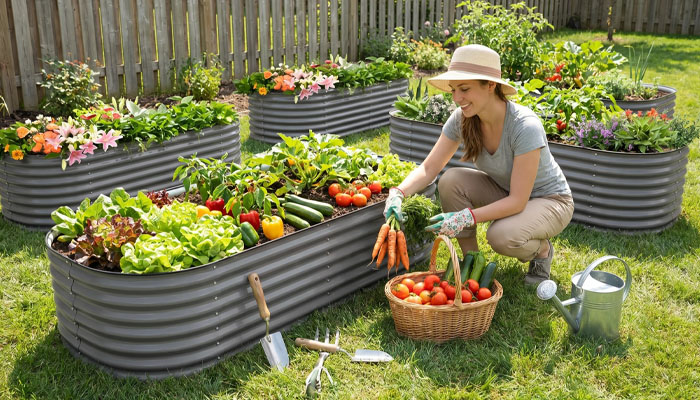
The best part of starting a backyard raised bed garden is enjoying the results. Whether you’re picking fresh lettuce for dinner or gathering herbs for a favorite recipe, homegrown produce brings a special sense of satisfaction.
Remember that gardening improves with experience. Some crops may flourish immediately, while others require adjustments to watering, sunlight, or planting times.
Keep simple notes about what works, and use those observations to improve your garden each season.
Start with one manageable raised bed, choose a few favorite plants, and enjoy the process. With patience and consistent care, your backyard can become a welcoming space filled with fresh food and new gardening discoveries.