
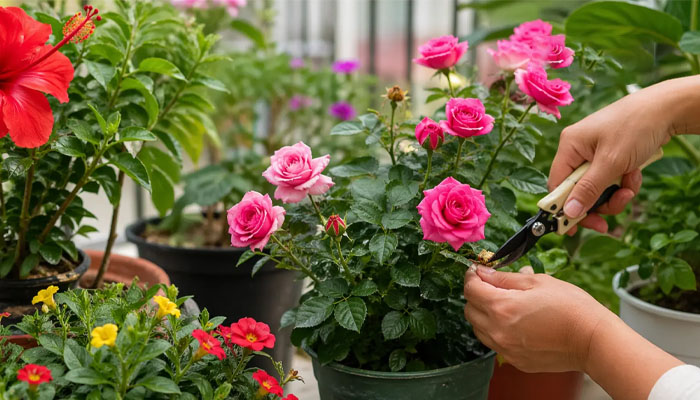
Getting flowers to bloom faster is one of the most rewarding goals in home gardening. While many people assume flowering depends mostly on plant type or luck, the reality is that small care decisions have a major impact on how quickly plants produce blooms. Soil quality, sunlight exposure, watering habits, and routine maintenance all work together to influence blooming speed. With a few simple adjustments, even beginner gardeners can noticeably improve flower production without complicated techniques.
1. Improve Soil Quality First
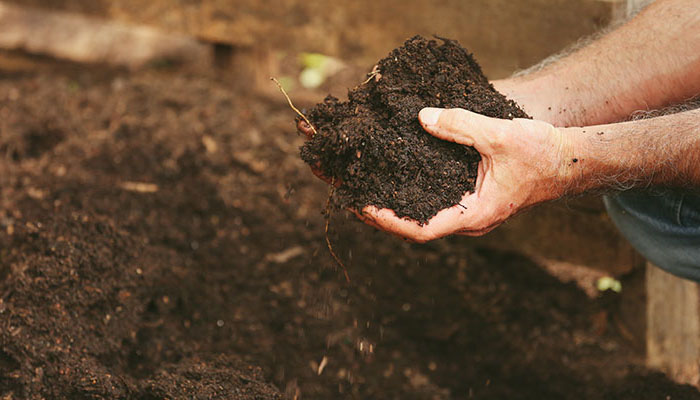
Healthy soil is the foundation of faster blooming because it directly affects how well plants absorb nutrients and develop roots. When soil is compacted, nutrient-poor, or poorly drained, plants tend to focus on survival rather than flowering. Adding organic matter such as compost helps improve both fertility and structure, allowing roots to spread more easily and access nutrients efficiently. Good drainage is equally important because overly wet soil can stress roots and slow down flower development. Even a simple adjustment like loosening soil around the plant base or mixing in compost can create a better growing environment that encourages more consistent blooms.
2. Use the Right Fertilizer at the Right Time
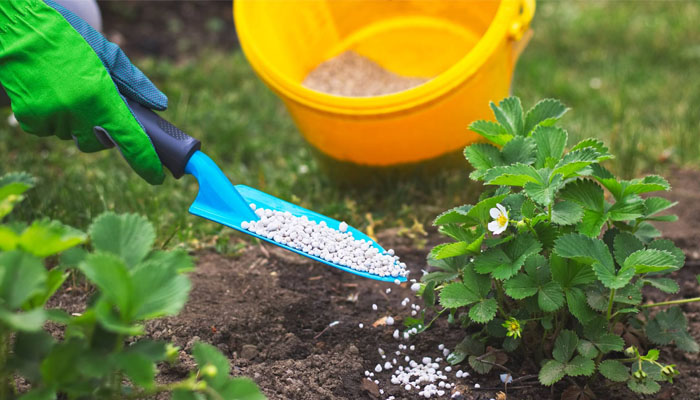
Fertilizer plays a key role in encouraging flowers, but the type and timing matter more than quantity. Many gardeners unintentionally slow blooming by using fertilizers that are too high in nitrogen, which promotes leafy growth instead of flowers. Bloom-focused fertilizers with higher phosphorus levels help shift plant energy toward bud formation. Liquid fertilizers can be especially effective because they are absorbed quickly and provide fast support during active growth periods. However, overfeeding can create stress, so balanced and timely application is more effective than frequent heavy use.
3. Maximize Sunlight Exposure
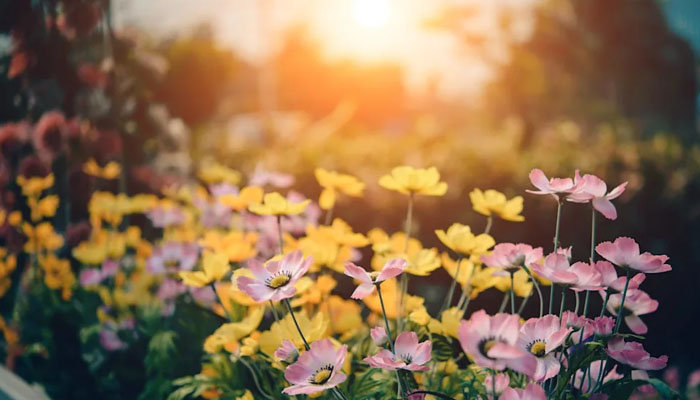
Sunlight is one of the most important factors influencing how quickly flowers appear. Most flowering plants require several hours of direct light each day to develop strong buds. Without enough sunlight, plants often grow tall and leafy but fail to produce flowers efficiently. Improving sunlight exposure can be as simple as repositioning potted plants, trimming nearby branches that create shade, or choosing a more open garden area. Consistent daily light exposure helps regulate plant energy cycles, making blooming more predictable and faster.
4. Water Smarter, Not More
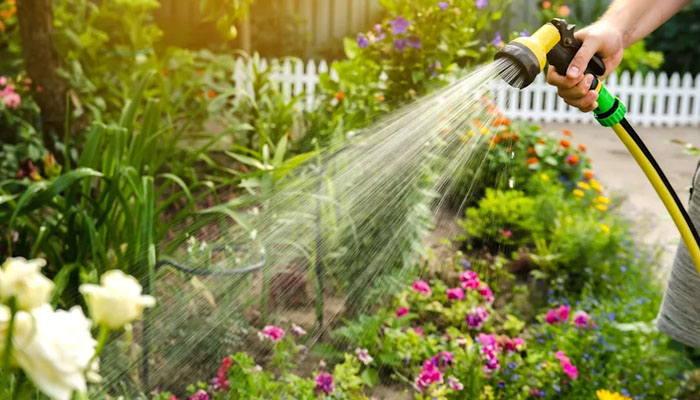
Watering habits have a direct impact on flowering speed, and more water does not always lead to better results. Overwatering can suffocate roots and slow down growth, while shallow watering encourages weak root systems that struggle to support blooms. Deep watering less frequently helps roots grow stronger and reach deeper into the soil, which supports healthier flowering over time. Watering early in the morning allows moisture to absorb before evaporation increases, and adjusting water levels based on weather conditions prevents unnecessary stress on plants.
5. Deadhead Spent Flowers Regularly
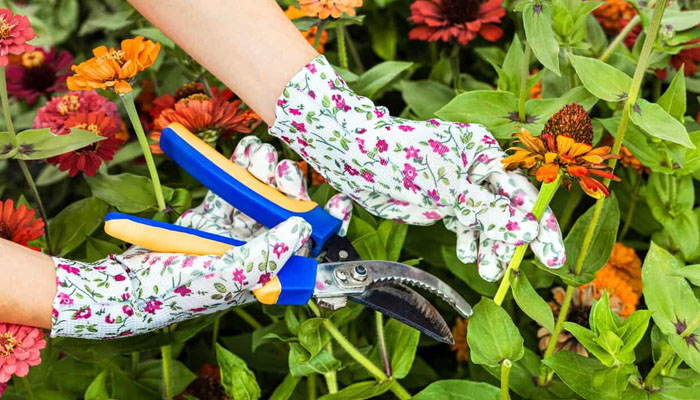
Removing faded flowers is one of the simplest ways to encourage faster blooming. When old flowers remain on the plant, it often directs energy toward seed production instead of creating new blooms. Deadheading interrupts this cycle and redirects energy back into flower formation. This technique is especially useful for continuous-bloom plants that produce flowers throughout the season. Regular maintenance, even just a few minutes every few days, can noticeably extend and improve blooming performance.
6. Prune Strategically for Better Growth
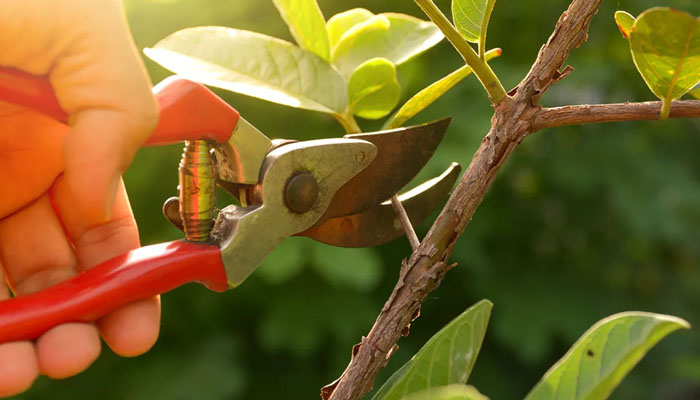
Pruning helps shape the plant and encourages stronger, more productive growth that supports faster flowering. Removing weak or damaged stems allows the plant to redirect energy toward healthier branches that are more likely to produce blooms. Light pruning early in the growth stage can improve airflow and structure, while heavy pruning during active flowering should be avoided because it may slow production. Strategic pruning creates a balanced plant structure that supports consistent flower development.
7. Control Pests and Reduce Plant Stress Early
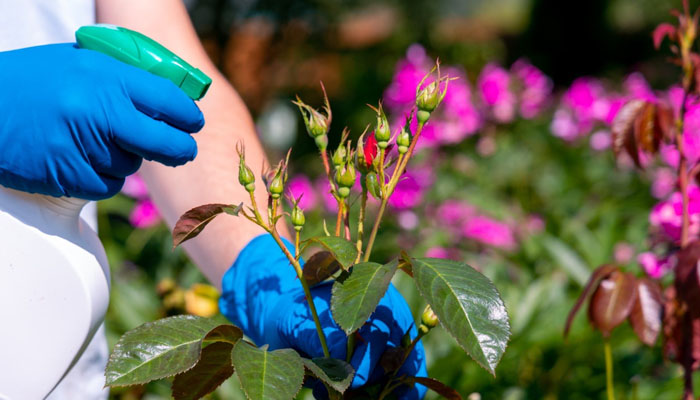
Pests can significantly delay flowering by damaging leaves, buds, and stems, forcing the plant to use energy for recovery instead of blooming. Regular inspection helps catch issues early before they spread. Natural solutions such as mild soap sprays or neem oil can control common pests without harming the plant. Reducing stress is equally important because plants under constant pressure from pests, inconsistent watering, or poor soil conditions will prioritize survival over flowering. A stable environment supports faster and healthier blooms.
8. Use Mulch to Stabilize Growing Conditions
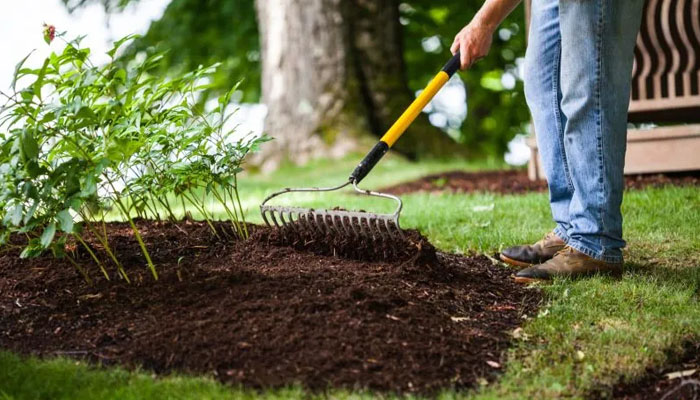
Mulch helps create stable soil conditions that indirectly speed up blooming. By covering the soil surface, mulch retains moisture, regulates temperature, and reduces weed competition that would otherwise steal nutrients. Organic mulch also improves soil quality over time as it breaks down, creating a healthier root environment. When plants experience stable conditions without frequent environmental fluctuations, they are more likely to focus energy on flowering rather than adaptation.
9. Choose Fast-Blooming Flower Varieties
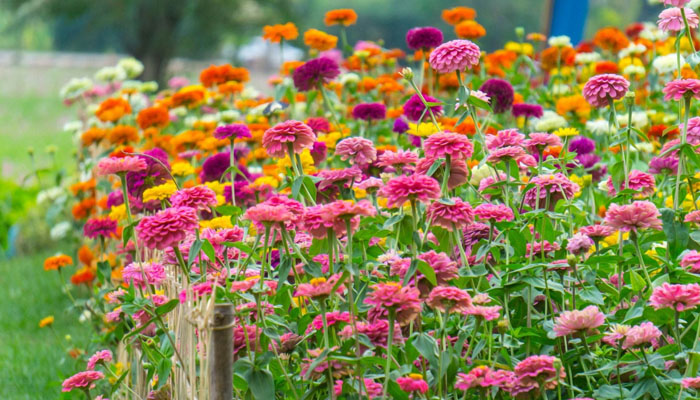
Plant selection plays an important role in how quickly flowers appear. Some species are naturally faster bloomers and respond quickly to proper care. Flowers like marigolds, zinnias, and petunias are well known for producing blooms relatively quickly compared to slower-growing varieties. Choosing the right plants for your climate also affects performance, since plants adapted to local conditions tend to bloom more efficiently. Starting with transplants rather than seeds can further shorten the time needed to see flowers.
Conclusion

Faster flower blooming is not achieved through a single method but through a combination of simple, consistent gardening habits. When soil is improved, sunlight is maximized, watering is balanced, and routine care like pruning and deadheading is applied, plants naturally respond with stronger and more frequent blooms. By making small adjustments and maintaining steady care, any gardener can significantly im