
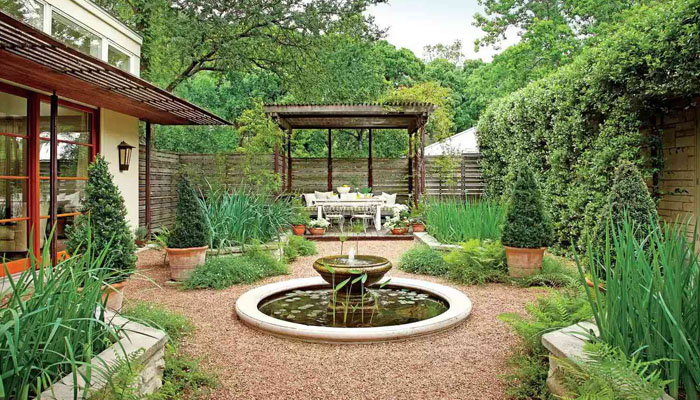
A garden path can change the way a yard feels almost immediately. It gives people a clear place to walk, connects outdoor areas, and makes a backyard look more planned instead of unfinished. The good news is that a DIY garden path does not have to be expensive or complicated. With the right material, shape, and edging, even a simple walkway can make a front yard, side yard, or backyard feel cleaner and more complete.
1. Gravel Garden Paths
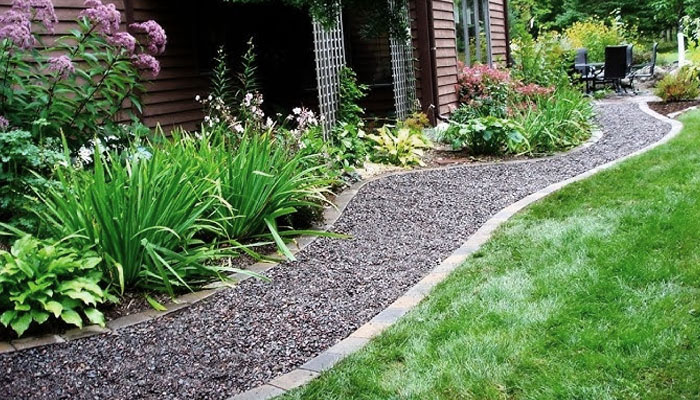
Gravel is one of the easiest materials for a DIY garden path. It works well in backyards, side yards, vegetable gardens, and casual walking areas. Gravel also drains well, which makes it useful in spots where water tends to collect after rain.
How to build it:
- Step 1: Mark the path shape with rope, spray paint, or a garden hose.
- Step 2: Remove grass, weeds, and loose soil from the path area.
- Step 3: Level the ground and add landscape fabric to help reduce weeds.
- Step 4: Install edging on both sides to keep gravel in place.
- Step 5: Spread gravel evenly and rake it smooth.
For a more finished look, choose smaller gravel that feels stable underfoot. Metal edging, stone edging, or brick edging can help keep the path neat over time.
2. Stepping Stone Paths
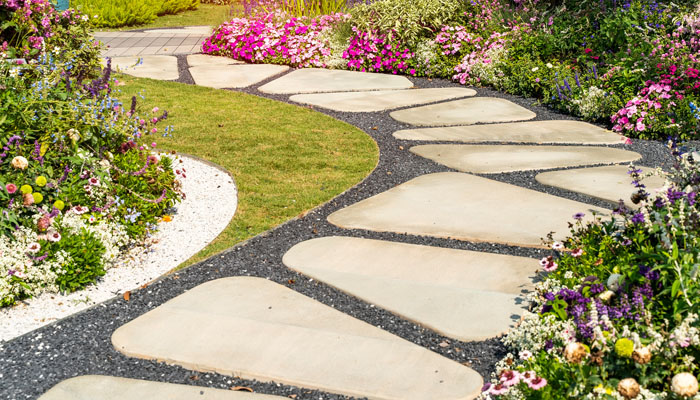
Stepping stones are a simple way to create a walkway without covering a large area. They are especially useful through lawns, flower beds, side yards, or garden spaces where you want a natural look.
How to build it:
- Step 1: Lay the stones on the ground first without digging.
- Step 2: Walk across them to test the spacing.
- Step 3: Mark around each stone with a shovel or garden tool.
- Step 4: Remove a shallow layer of soil under each stone.
- Step 5: Add a little sand if needed, then set each stone level.
Stepping stones can be surrounded by grass, mulch, gravel, or low-growing ground cover. The most important detail is stability. Each stone should sit flat and should not wobble when stepped on.
3. Mulch Garden Paths
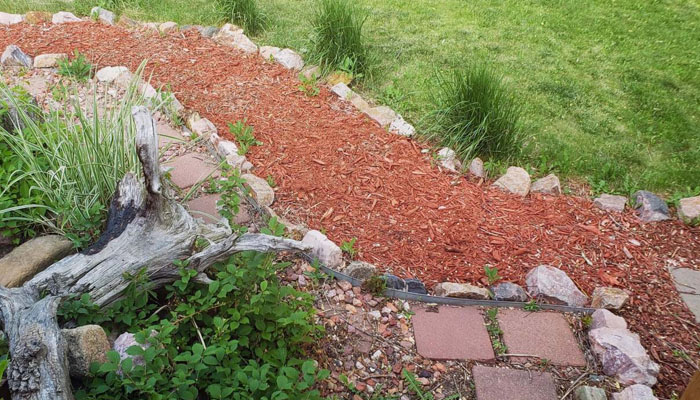
Mulch paths are popular in vegetable gardens, cottage gardens, and natural backyard spaces. They are inexpensive, soft to walk on, and easy to refresh when the surface starts to break down.
How to build it:
- Step 1: Choose the path route between garden beds or planting areas.
- Step 2: Clear away grass, weeds, and debris.
- Step 3: Lay down cardboard or landscape fabric if weed control is needed.
- Step 4: Add edging to keep the mulch from spreading.
- Step 5: Spread a thick layer of mulch and rake it level.
Wood chips, bark mulch, and shredded mulch are common choices. Mulch may need to be topped up every season or two, especially after heavy rain or regular foot traffic.
4. Brick Garden Paths
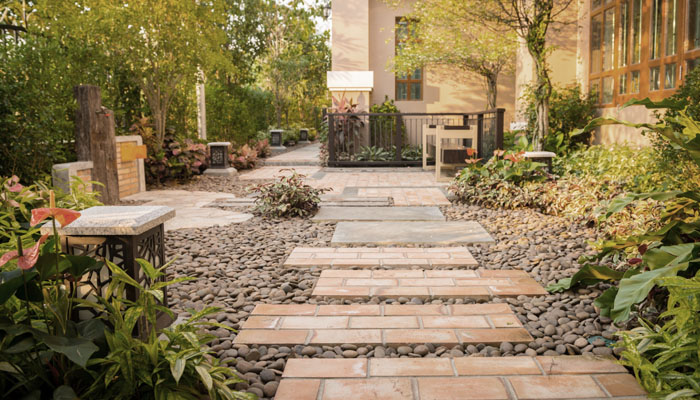
Brick paths bring a classic, traditional look to a yard. They work especially well near front entrances, cottage gardens, patios, and older homes. A brick walkway can make a garden feel more established and polished.
How to build it:
- Step 1: Mark the path and decide on a brick pattern.
- Step 2: Dig out the path area deep enough for base material and bricks.
- Step 3: Add compacted gravel or paver base.
- Step 4: Spread a layer of sand and level it carefully.
- Step 5: Place the bricks, then sweep sand into the joints.
Simple patterns are easier for beginners, while herringbone creates a more decorative effect. Good leveling is important because uneven bricks can become a tripping hazard.
5. Paver Walkways
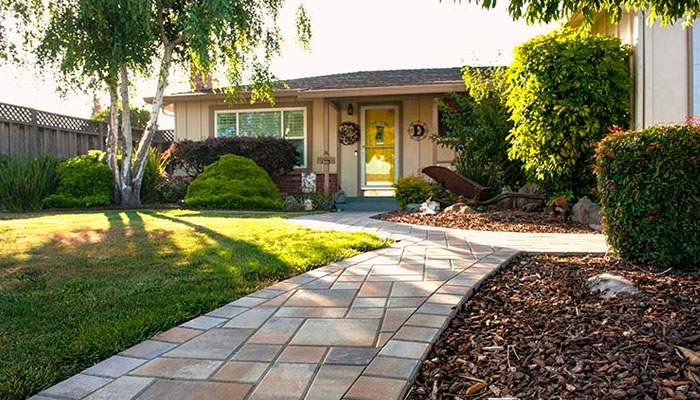
Concrete pavers are a practical choice for DIY landscaping because they come in many shapes, colors, and sizes. They can look modern, rustic, or traditional depending on the layout.
How to build it:
- Step 1: Plan the path width and layout before digging.
- Step 2: Remove grass and soil from the walkway area.
- Step 3: Add and compact a gravel base.
- Step 4: Add a thin layer of sand for leveling.
- Step 5: Set the pavers in place and fill the joints with sand.
Pavers are a good option for paths that connect patios, sheds, gates, seating areas, or outdoor kitchens. A strong base helps prevent sinking and shifting over time.
6. Flagstone Garden Paths
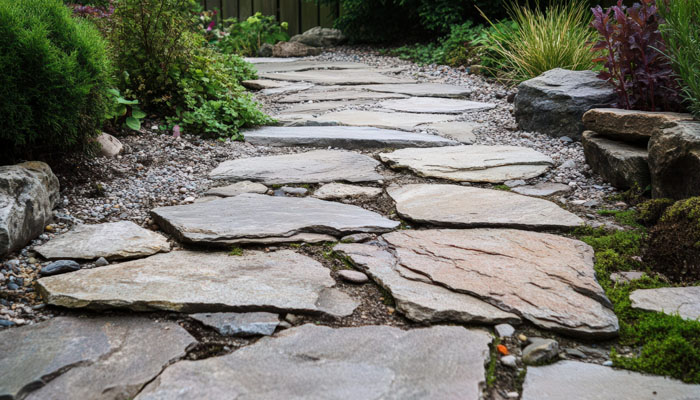
Flagstone creates a natural, high-end look without feeling too formal. Because the stones have irregular shapes, each path looks a little different. This makes flagstone a good fit for woodland gardens, cottage-style yards, and relaxed backyard spaces.
How to build it:
- Step 1: Arrange the flagstones before digging to test the layout.
- Step 2: Choose flatter stones for safer walking.
- Step 3: Dig out shallow spaces for each stone.
- Step 4: Add sand or gravel underneath for support.
- Step 5: Fill the gaps with gravel, soil, sand, or ground cover.
The spaces between stones can change the whole look of the path. Gravel gives a clean finish, while ground cover creates a softer garden feel.
7. Wooden Walkways
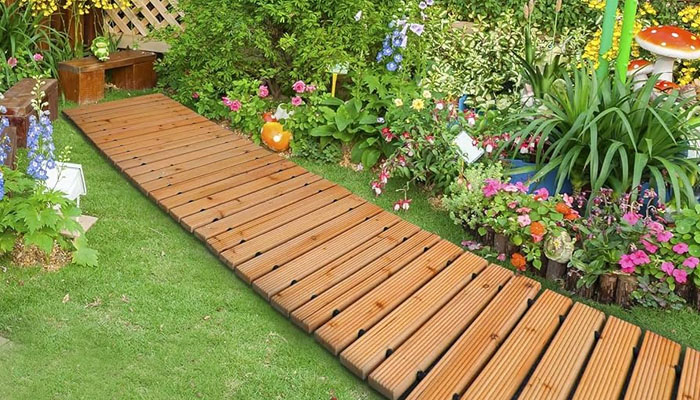
Wooden walkways can add warmth and charm to a garden. They are especially useful in damp areas, narrow side yards, or spaces where a slightly raised path makes sense. A small boardwalk-style path can also make a backyard feel more custom.
How to build it:
- Step 1: Plan the walkway route and measure the length.
- Step 2: Prepare a level base or simple support frame.
- Step 3: Use outdoor-rated wood, cedar, treated lumber, or composite boards.
- Step 4: Attach boards securely with proper spacing.
- Step 5: Add a slip-resistant finish if the area gets wet often.
Safety matters with wooden paths. Wet wood can become slippery, especially in shaded areas. Good airflow and drainage underneath the walkway also help reduce rot.
8. Recycled Material Paths
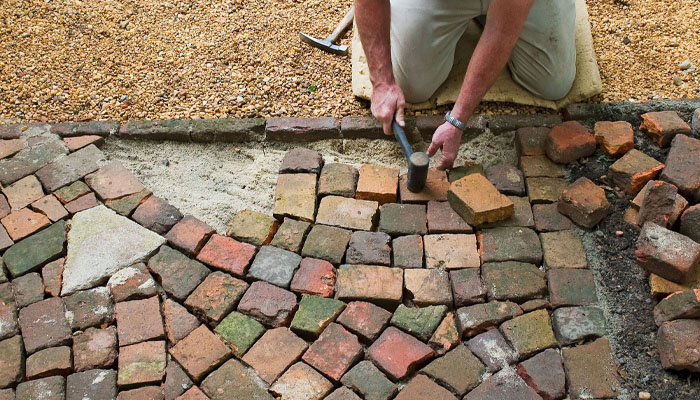
A garden path does not always need new materials. Reclaimed brick, old pavers, broken concrete, stone pieces, or wood slices can be used creatively. This can save money and give the yard a more personal look.
How to build it:
- Step 1: Sort materials by size, thickness, and condition.
- Step 2: Remove sharp, unstable, or badly broken pieces.
- Step 3: Lay out the design before digging.
- Step 4: Set each piece into a leveled base.
- Step 5: Fill gaps with gravel, sand, mulch, or soil.
The key is making the path look intentional. Repeating one main material and adding clean edging can keep a recycled path from looking messy.