
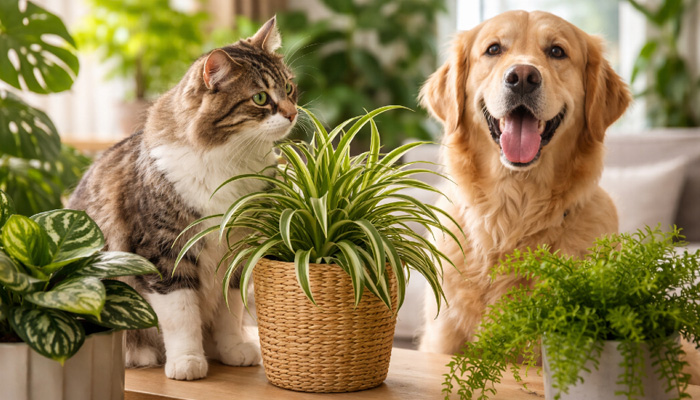
If you share your home with a curious cat or an energetic dog, you already know one thing: sooner or later, they’re going to investigate your plants. Whether it’s a kitten chewing on leaves or a puppy digging in the soil, pets and houseplants often cross paths.
The problem is that many popular indoor plants can be harmful to animals. Even a small bite from certain plants may cause vomiting, drooling, or more serious health issues. Fortunately, there are plenty of beautiful houseplants that are considered non-toxic to both cats and dogs.
Here are 15 pet-friendly houseplants that let you enjoy greenery without constantly worrying about your furry companions.
1. Spider Plant
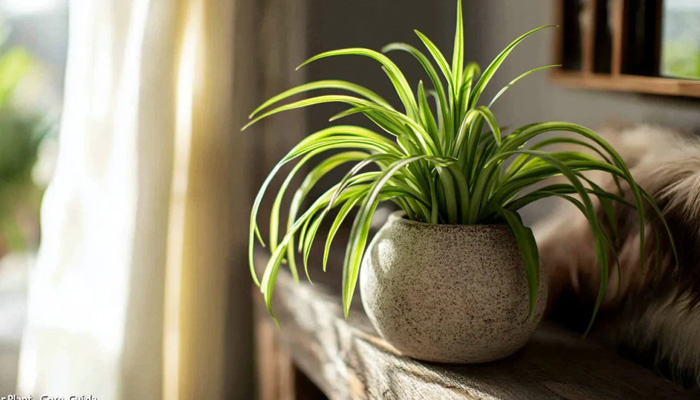
Spider plants are among the easiest houseplants to grow, making them perfect for beginners. Their long, arching green leaves add a fresh look to almost any room.
Cats especially seem fascinated by the dangling leaves, and while chewing them isn’t ideal, spider plants are considered non-toxic. If your pet occasionally nibbles a leaf, it’s generally not a cause for panic.
Spider plants also tolerate low light and occasional neglect, making them a great choice for busy households.
2. Areca Palm
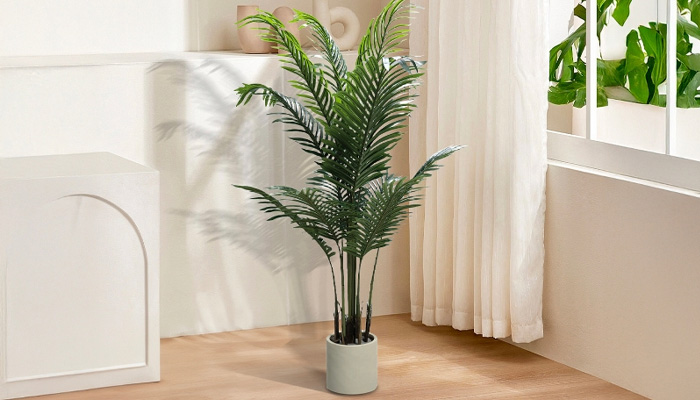
Looking to create a tropical vibe indoors? The Areca Palm is an excellent option.
Unlike many decorative palms, this variety is safe for both cats and dogs. Its feathery fronds can brighten living rooms, offices, or bedrooms without adding unnecessary risk.
It prefers bright, indirect sunlight and regular watering but is relatively easy to maintain.
3. Boston Fern
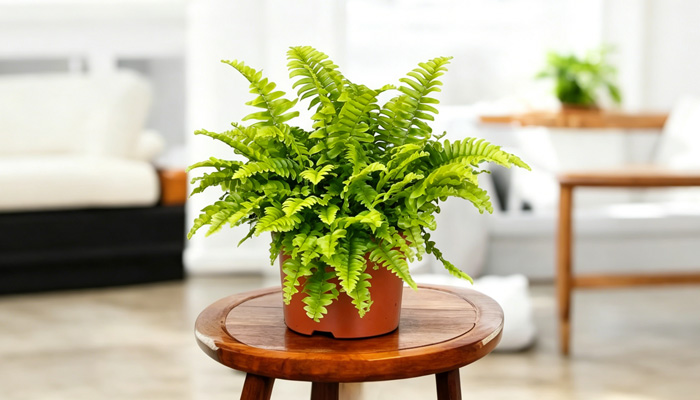
Boston ferns have soft, graceful fronds that instantly make a room feel more relaxing.
They’re completely pet-friendly and work especially well in hanging baskets or elevated plant stands. Since they enjoy humidity, bathrooms and kitchens are often ideal locations.
Keep the soil consistently moist, and your fern will reward you with lush growth.
4. Calathea
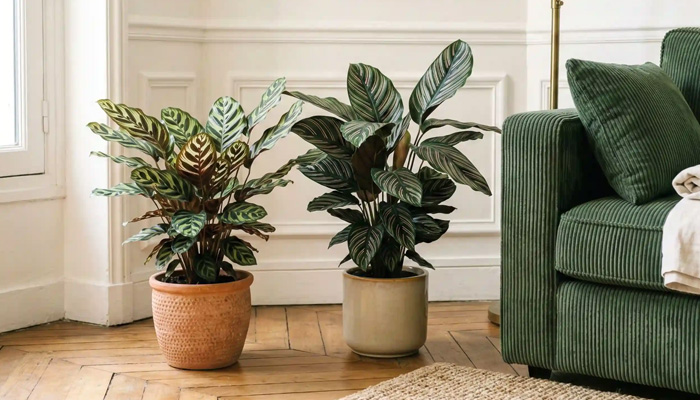
Calatheas are famous for their stunning leaf patterns. Some varieties even raise and lower their leaves throughout the day, earning them the nickname “prayer plants.”
Besides being visually striking, Calatheas are safe around both cats and dogs. They prefer medium to bright indirect light and appreciate higher humidity.
They’re a wonderful choice if you want something more decorative than ordinary green foliage.
5. Parlor Palm
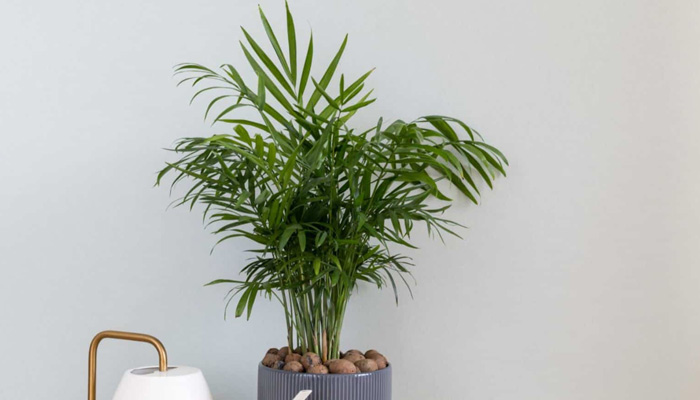
The Parlor Palm has remained a favorite indoor plant for generations.
It grows slowly, tolerates lower light conditions, and is forgiving if you occasionally forget to water it. Best of all, it’s considered non-toxic for household pets.
Its elegant appearance fits well with almost any decorating style.
6. African Violet
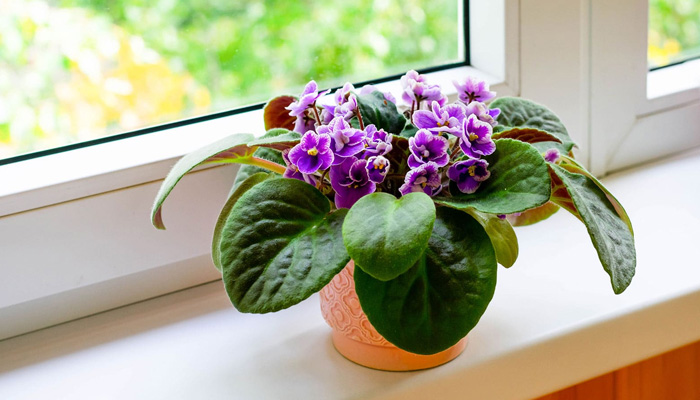
Not every pet-safe plant has to be leafy.
African violets produce colorful blooms throughout much of the year and stay relatively compact, making them perfect for windowsills or desks.
They’re safe for curious pets and offer beautiful flowers without the dangers associated with many flowering houseplants.
7. Baby Rubber Plant
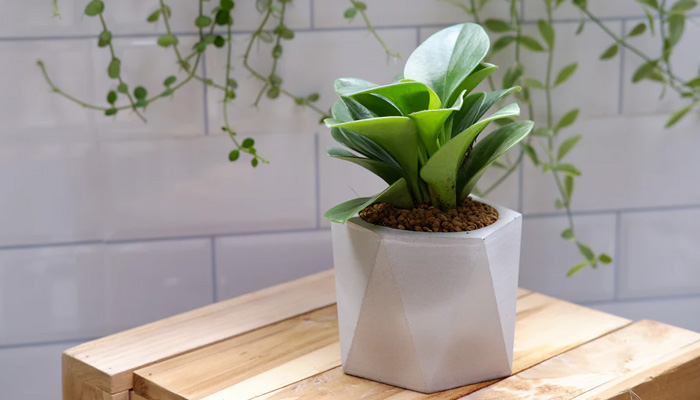
Despite the name, this isn’t the same as the toxic rubber tree.
The Baby Rubber Plant has thick, glossy leaves and stays relatively small, making it ideal for apartments or smaller homes.
It’s easy to care for and generally safe for cats and dogs.
8. Prayer Plant
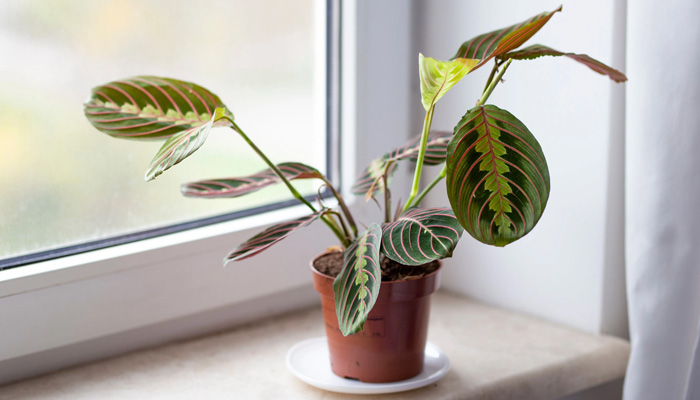
Prayer plants are known for their unique leaf movement, folding upward in the evening and opening again during daylight.
They’re colorful, easy to grow indoors, and considered pet-friendly. Their attractive patterns make them a popular choice for people who want something a little different.
9. Haworthia
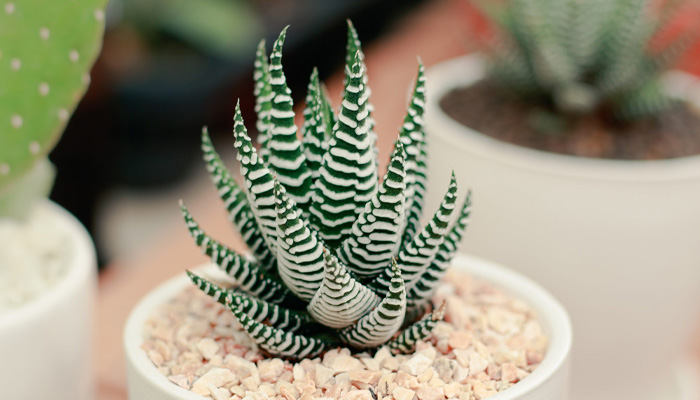
If you love succulents but worry about pet safety, Haworthia is one of the best choices.
Unlike some other succulents that can irritate pets, Haworthia is generally regarded as non-toxic.
It requires very little water and thrives in bright light, making it ideal for beginners.
10. Christmas Cactus
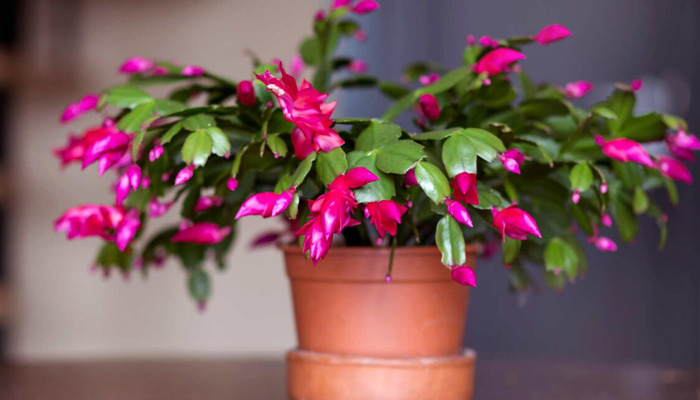
This holiday favorite adds bright blooms during the winter months.
Unlike many cactus species, the Christmas Cactus doesn’t have dangerous spines and is considered safe for cats and dogs.
It can live for decades with proper care, often becoming a cherished family plant.
11. Polka Dot Plant
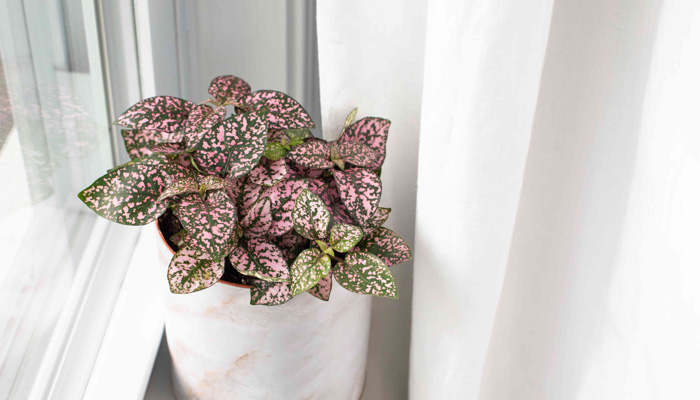
The Polka Dot Plant stands out thanks to its colorful pink, white, or red speckled leaves.
Its cheerful appearance makes it popular in offices and homes alike. Fortunately, it’s also considered safe for pets.
Keep it in bright, indirect light to maintain its vibrant colors.
12. Friendship Plant
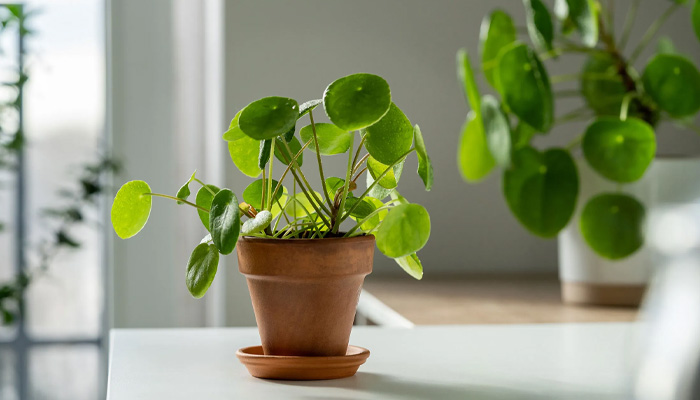
Friendship plants have textured green leaves with interesting patterns that make them visually appealing.
They’re compact, easy to propagate, and completely suitable for homes with pets.
Sharing cuttings with friends is one reason they earned their charming name.
13. Cast Iron Plant
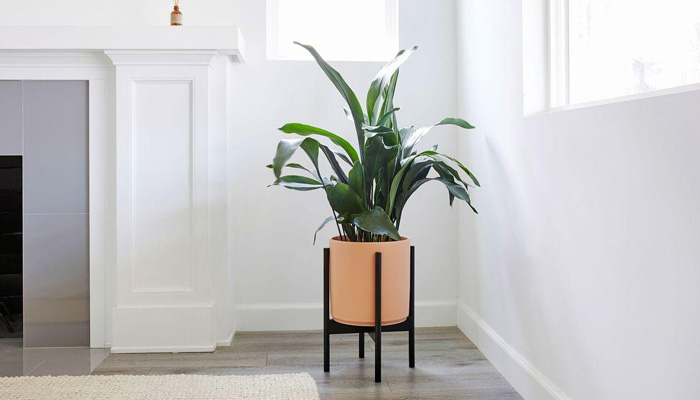
If you’re looking for something nearly impossible to kill, the Cast Iron Plant deserves attention.
It tolerates low light, inconsistent watering, and changing temperatures while remaining safe around pets.
Its durability makes it one of the most dependable indoor plants available.
14. Peperomia
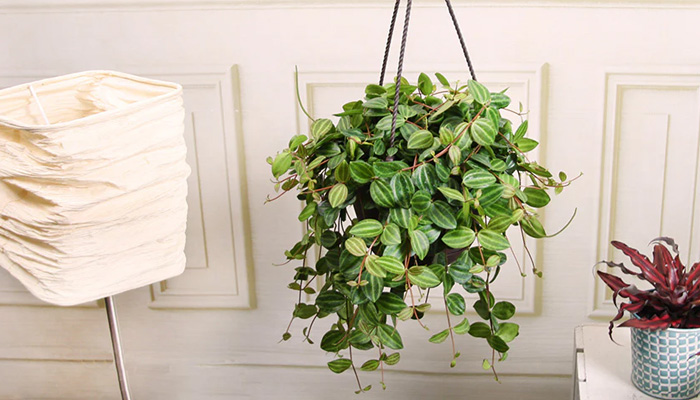
Peperomia isn’t just one plant—it’s a large family with hundreds of varieties.
Many feature thick, decorative leaves in different shapes and colors, allowing you to build an interesting collection.
Nearly all common Peperomia houseplants are considered non-toxic for cats and dogs.
15. Orchid
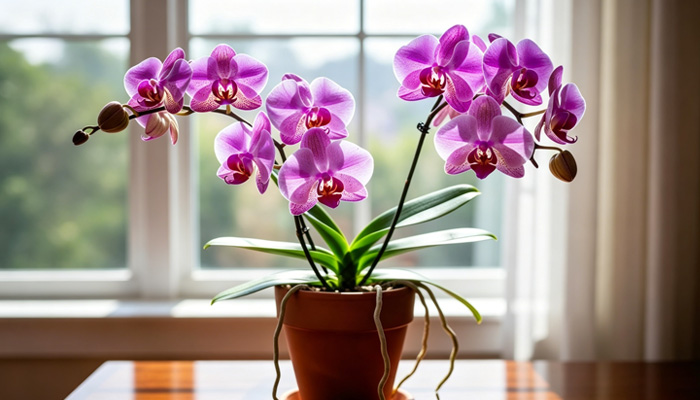
Orchids may look delicate, but they’re surprisingly resilient once you learn their care routine.
Their elegant flowers can last for weeks or even months, bringing lasting color into your home.
Most common orchids are considered safe for cats and dogs, making them an excellent alternative to more hazardous flowering plants.
Tips for Keeping Pets and Plants Together
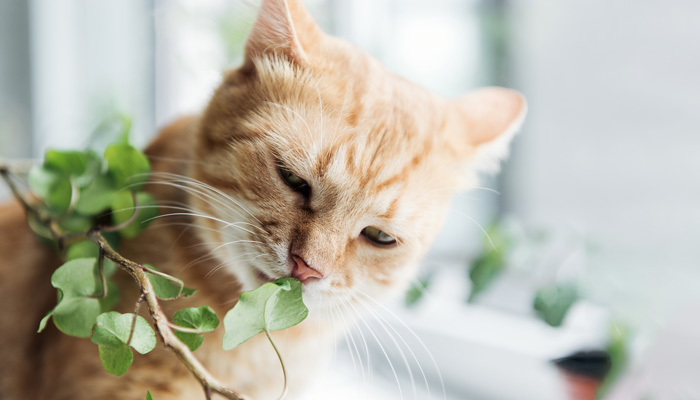
Even when a plant is considered non-toxic, it’s still a good idea to discourage pets from chewing on it. Eating large amounts of any plant can upset a pet’s stomach or cause mild digestive discomfort.
Here are a few simple ways to keep both your plants and pets happy:
Place plants on shelves or hanging planters when possible.
Give cats appropriate cat grass to satisfy their urge to chew.
Train dogs to avoid houseplants using positive reinforcement.
Clean up fallen leaves before curious pets investigate them.
Avoid using chemical fertilizers or pesticides that could be harmful if licked.
Remember that every animal is different. Some pets completely ignore plants, while others see every leaf as a toy.
Final Thoughts
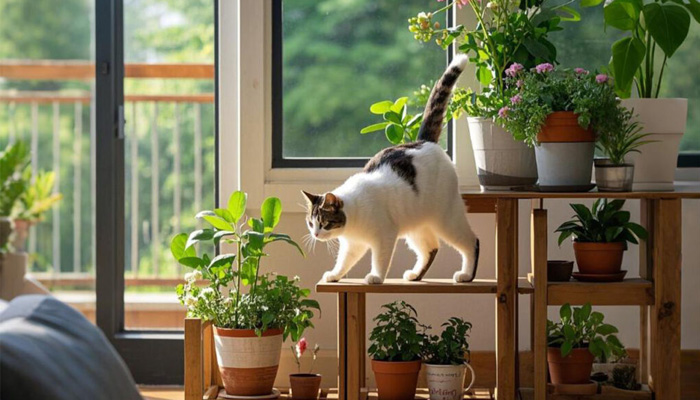
Creating a beautiful indoor garden doesn’t mean choosing between stylish décor and your pet’s safety. By selecting houseplants that are known to be safe for cats and dogs, you can enjoy lush greenery with far greater peace of mind.
No plant is completely risk-free if eaten in large amounts, so supervision is always wise. But choosing pet-friendly varieties greatly reduces the chances of a frightening emergency.
With the right plants and a little planning, your home can be a place where both your indoor garden and your four-legged family members thrive together.