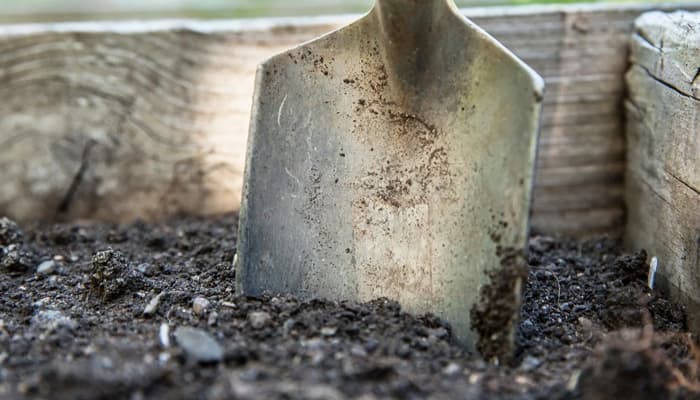
When most gardeners think of winter, they think of frost, snow, and bare beds. You might be tempted to call it quits until spring, but here’s the truth: your soil is still working—and you need to work with it, not just let it sit there. Healthy soil in winter means faster planting, bigger yields, and fewer headaches when the growing season rolls around.
If you’ve been ignoring your soil all winter, now’s the time to rethink your approach. Even when it looks dead under a blanket of snow, a lot is happening down there: microbes are busy breaking down organic matter, earthworms are moving nutrients around, and fungi are quietly forming networks that will feed your plants later. Neglecting soil health now is like skipping breakfast—you’ll feel it later.
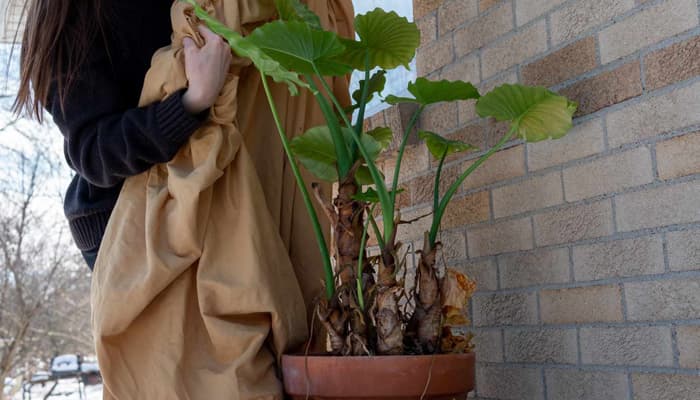
Mulching: Your Soil’s Winter Blanket
Mulching is the simplest, most effective way to protect your soil during the cold months. Think of it as a cozy coat for your garden beds. Mulch insulates the soil, prevents erosion, and slows down nutrient loss. But not all mulches are created equal:
Organic Mulch: Straw, shredded leaves, and composted bark work wonders. They break down slowly, adding nutrients and improving soil structure.
Avoid Heavy Materials: Gravel or rubber mulch won’t feed your soil microbes, so save them for paths or decorative areas.
Application Tip: Aim for a 2–4 inch layer over your beds, leaving a small gap around plant stems to prevent rot.
By covering your soil, you’re not just protecting it from frost—you’re giving microbes a stable environment to keep doing their work underground.
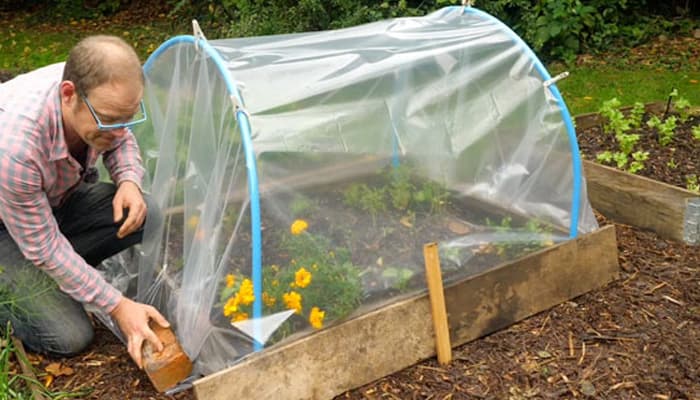
Winter Cover Crops: Green Power for Dormant Beds
Cover crops are like having a secret army working in your garden while you sip cocoa indoors. These are plants grown not to be harvested, but to enrich your soil. Some popular winter cover crops include:
Winter Rye: Fast-growing, prevents erosion, and adds organic matter when tilled in spring.
Clover: Fixes nitrogen, which feeds your plants in the upcoming season.
Vetch: Adds both nitrogen and biomass, great for heavier soils.
Plant these crops in late fall, and let them grow until the first hard frost. Even if they die back, their roots will protect soil structure, reduce compaction, and leave nutrients behind. Come spring, you’ll be amazed at how much easier it is to plant seedlings or bulbs in a bed that’s been actively cared for.
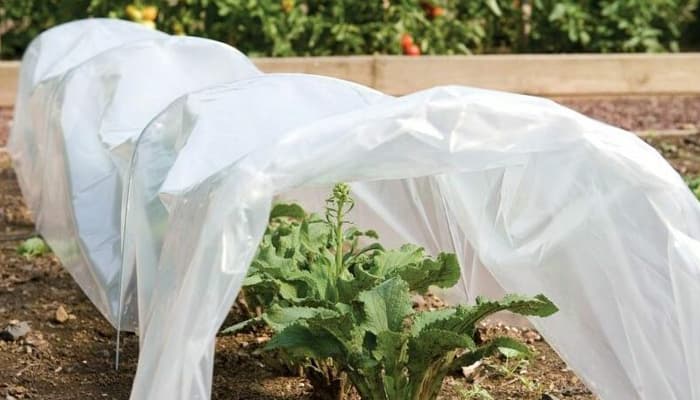
Keeping Soil Life Alive Under Snow
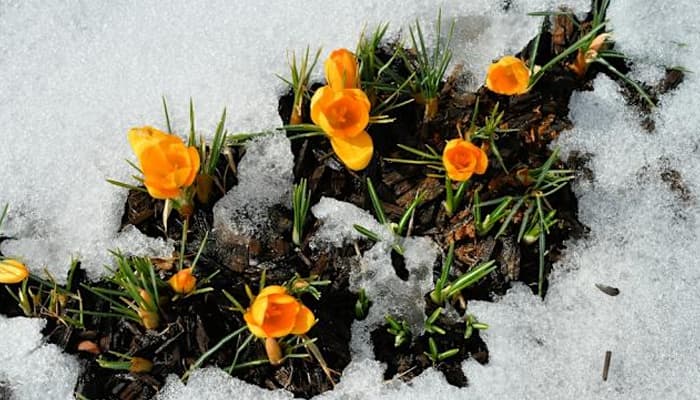
Snow isn’t just pretty—it’s protective. A blanket of snow helps moderate soil temperatures and keeps microbes from freezing solid. But even in areas with less snow, there are ways to keep your underground workforce healthy:
Avoid Compaction: Walk lightly on garden beds or use designated paths. Soil structure is fragile when frozen and can take months to recover.
Add Organic Matter: Compost, well-rotted manure, or leaf mold provide food for microbes and fungi. They’ll continue breaking down slowly, releasing nutrients for spring planting.
Minimize Disturbance: Resist the urge to dig or till frozen soil. Microbial activity slows down naturally in winter, and excessive disruption can do more harm than good.
Think of it like letting a city rest for winter—microbes and worms need their downtime to come back stronger in spring.、
Small Steps, Big Payoff
Healthy soil in winter is an investment. You don’t need fancy equipment or expensive treatments—just some mulch, a few cover crops, and a little awareness of what’s happening below the surface. Even small actions pay off big when the first warm day hits and you’re ready to plant without struggling against compacted, depleted soil.
For example, gardeners who regularly mulch and plant winter cover crops often report:
Easier seedbed preparation in spring
Faster germination and growth of vegetables and flowers
Reduced need for synthetic fertilizers
Improved water retention, reducing drought stress
It’s the kind of “invisible work” that doesn’t make your Instagram feed, but it shows up in your garden’s productivity and health.
Extra Tips for Winter Soil Care
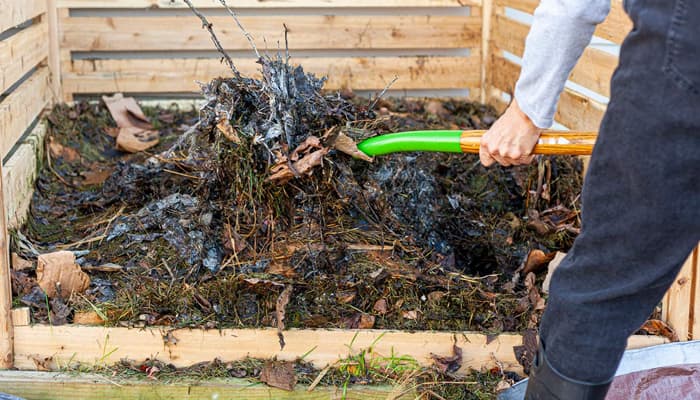
Compost Wisely: Layer compost around dormant plants for a slow nutrient release.
Monitor pH: Winter is a good time to test soil acidity and make adjustments for spring crops.
Plan Your Crop Rotation: Think ahead to next season—rotating crops now prevents soil depletion and reduces disease risk.
Bottom Line
Winter doesn’t have to mean a dead garden. By protecting soil and keeping microbial life alive, you’re setting yourself up for a much easier and more productive spring. Mulch, cover crops, and gentle care can transform what looks like a barren bed into a thriving ecosystem ready to spring to life.
Next time you glance at your winter garden and see nothing but snow, remember: the real work is happening below. Treat your soil well, and it will reward you with healthier plants, bigger harvests, and less stress when planting season arrives.
Healthy soil isn’t just about plants—it’s about giving life a head start while you rest.