
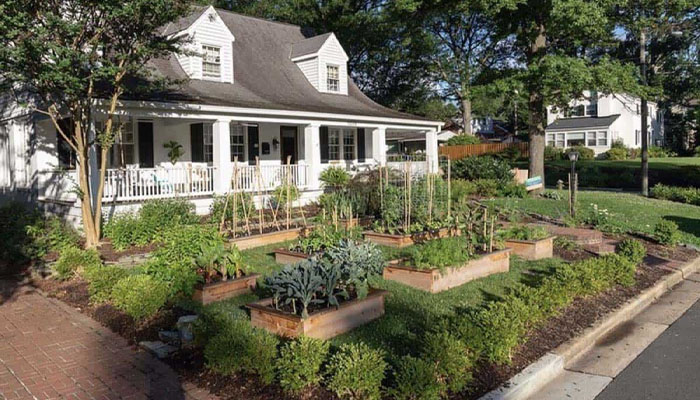
A country yard can be more than a patch of grass you mow every weekend. With a few smart changes, you can turn it into a garden filled with colorful flowers, fresh herbs, juicy tomatoes, and even a few fruit trees. The best part? You don’t need a huge budget or years of gardening experience. A little planning can help you create an outdoor space that looks inviting and gives you something delicious to bring back to the kitchen.
1. Divide Your Yard Into Different Garden Areas
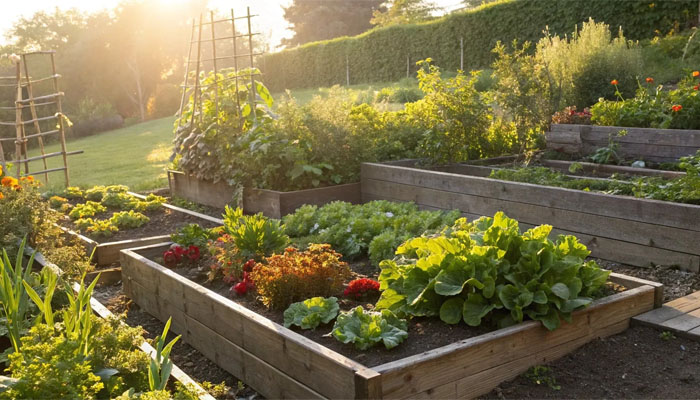
Before buying plants or digging up the lawn, take a walk around your yard and think about how you want to use the space. You might want a vegetable bed near the kitchen door, a few flower borders along the fence, and a small seating area where you can enjoy your morning coffee. Giving each area a purpose makes the yard feel more organized without making it look too formal.
You don’t need to install expensive fences or build complicated garden structures to separate these areas. A gravel path, a row of low-growing plants, or a simple wooden border can do the job. Keep vegetables and herbs somewhere easy to reach, especially if you’ll be harvesting them often. Place taller plants where they won’t block sunlight from smaller ones, and leave enough room to walk between beds without stepping on your crops.
2. Mix Flowers With Vegetables for a Fuller Look
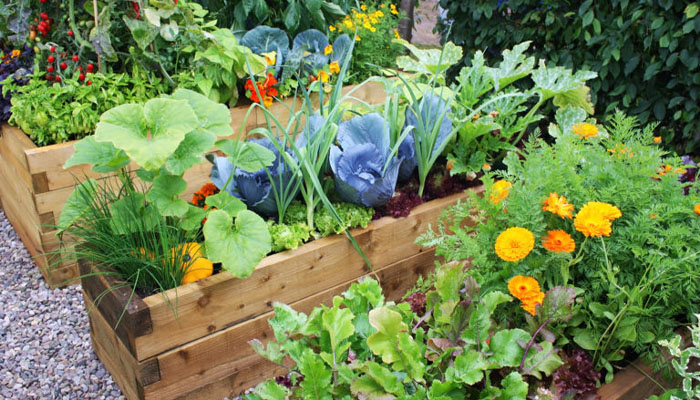
A yard filled with nothing but vegetable rows can be productive, but it may not have the relaxed, colorful feel of a country garden. Try planting flowers around the edges of your vegetable beds or along a nearby path. Marigolds, zinnias, and sunflowers can add cheerful color, while herbs such as thyme and oregano bring texture and fragrance. The mix makes the garden feel more inviting without taking away too much space from the food you’re growing.
Flowers can also attract pollinators such as bees and butterflies, which help many fruiting crops produce well. Choose flowers that bloom at different times so your garden has color throughout the growing season. Just remember that not every flower is equally useful for every crop, and some plants may compete for space or water. Give everything enough room to grow, and avoid crowding flowers so tightly around vegetables that they block airflow or make harvesting difficult.
3. Grow Foods You’ll Actually Eat
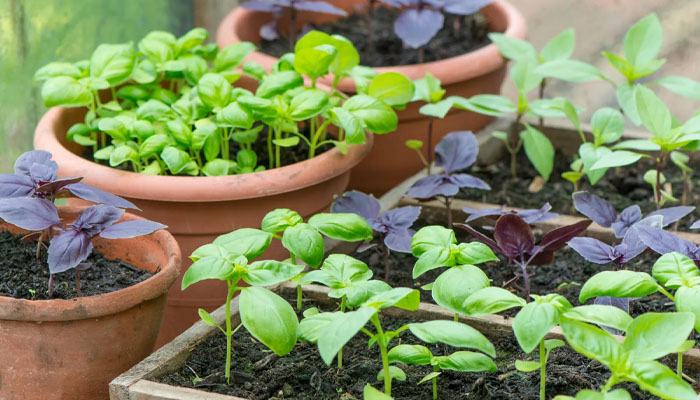
It’s tempting to plant a little bit of everything when you’re starting a garden. But if you grow vegetables your family rarely eats, you’ll end up with more work than enjoyment. Start with a few familiar favorites, such as tomatoes, lettuce, green beans, peppers, or cucumbers. Fresh herbs like basil, parsley, and chives are also good choices because you can snip off small amounts whenever you need them for cooking.
Think about how much food your household can realistically use, too. One zucchini plant can produce more than you expect under good growing conditions, while a few lettuce plants can provide several small harvests. If you enjoy making salads, focus on leafy greens and cherry tomatoes. If you prefer cooking soups and sauces, consider growing onions, herbs, and paste tomatoes. Check your local growing season and choose varieties suited to your climate before buying seeds or seedlings.
4. Make the Most of Sunny and Shady Spots
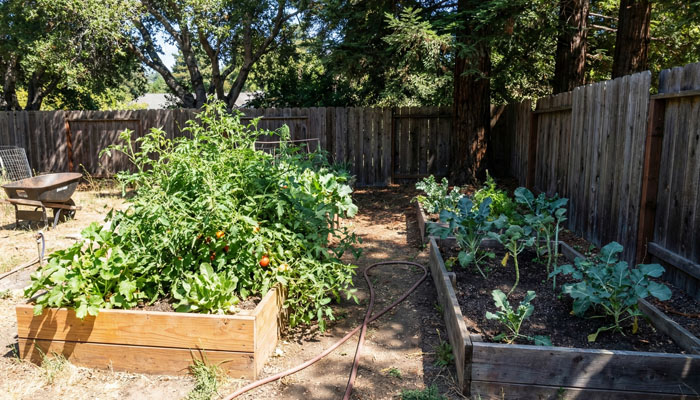
Sunlight can make or break a food garden, so pay attention to how the light moves across your yard. Many popular fruiting vegetables, including tomatoes, peppers, and cucumbers, generally need at least six to eight hours of direct sunlight a day for good production. Leafy greens such as lettuce and spinach can often tolerate partial shade, especially in warmer weather. Matching plants to the conditions you already have can save you frustration later.
Don’t assume every corner needs to be filled with edible plants. A shady spot beneath a tree might be better suited to a bench, a container of shade-tolerant plants, or a simple mulch-covered sitting area. Also, remember that sunlight changes with the seasons as trees grow leaves or the sun’s angle shifts. Watch your yard for a few days before choosing permanent planting locations. If your sunny space is limited, containers can help you grow herbs or compact vegetables on a patio or beside a sunny wall.
5. Use Raised Beds, Pots, and Simple Garden Borders
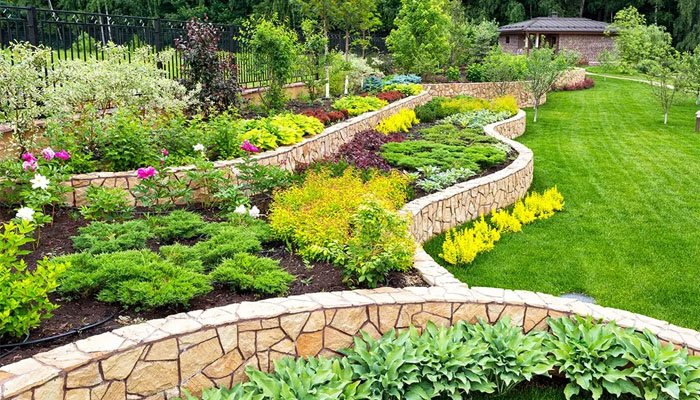
If your yard has rocky ground, heavy clay soil, or an awkward slope, raised beds can make gardening easier. You can fill them with suitable growing soil, organize crops neatly, and avoid repeatedly walking over the areas where roots need room to develop. Untreated, rot-resistant wood is a common choice for building beds, although other materials can work too. Keep the beds narrow enough to reach the middle from either side without stepping inside.
You don’t have to put every plant in a raised bed, though. Pots work well for herbs, strawberries, and compact tomato varieties, while larger in-ground beds can handle crops that need more space. To make everything look connected, repeat a few materials or colors throughout the yard. For example, matching terracotta pots, simple timber borders, and one gravel path can give the space a consistent look. Leave some open ground between features so the garden feels spacious rather than crowded.
6. Keep Watering and Weeding Under Control
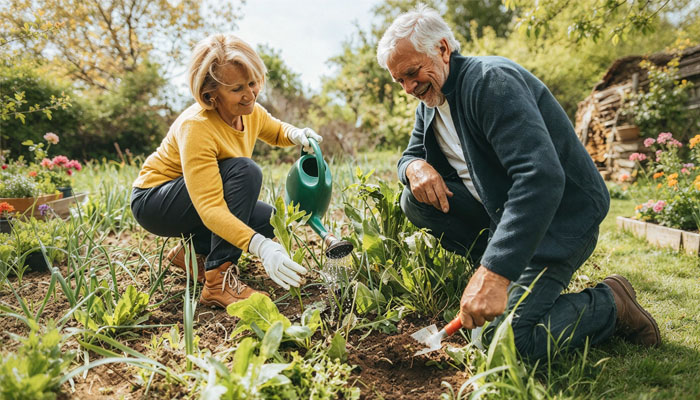
A beautiful garden quickly becomes a chore if it needs constant attention. One useful trick is to spread a layer of organic mulch around established plants, keeping it away from stems and trunks. Mulch helps the soil retain moisture, limits many weeds, and gradually adds organic matter as certain materials break down. Straw, shredded leaves, and suitable wood mulch can all be useful, depending on where you’re applying them and what you’re growing.
Watering deeply when needed is generally more useful than giving plants a quick sprinkle every day. The right schedule depends on your soil, weather, plant type, and stage of growth, so check the soil rather than following a rigid timetable. Drip irrigation or a soaker hose can make watering easier, especially during hot, dry periods. Spend a few minutes each week pulling small weeds, checking leaves for problems, and harvesting ripe produce. Small, regular tasks are easier to manage than one exhausting weekend of catch-up work.
7. Add a Cozy Spot to Enjoy Your Garden
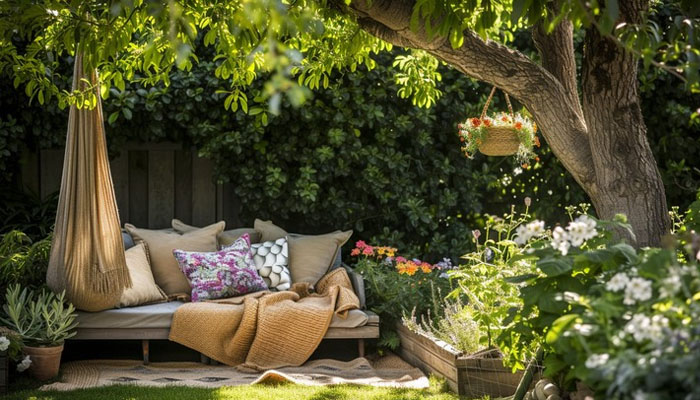
A country garden should be somewhere you want to spend time, not just a place where you work. Even a modest wooden bench beneath a shade tree can make the yard feel more welcoming. If you have enough room, add a small table for outdoor meals or place a couple of chairs near your flower beds. A winding path, a few solar lights, or a collection of sturdy pots can add character without requiring a major landscaping project.
Think about how you’ll use the space throughout the year. A bench near fragrant herbs might be a pleasant place to sit on a summer morning, while a sunny patio could be ideal for enjoying lunch during cooler weather. Keep seating away from muddy areas and leave clear paths between the garden beds and the house. You can also place a basket or small table near the vegetable patch for harvested produce. That way, picking dinner ingredients becomes part of the pleasure of being outdoors.
A Garden That Gives Back
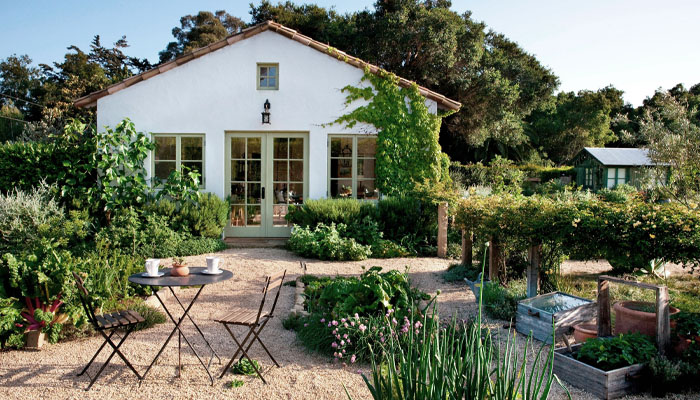
Turning a country yard into a productive garden doesn’t mean choosing between beauty and usefulness. Flowers can brighten the space, vegetables can supply fresh ingredients, and a comfortable seating area can give you a reason to slow down and enjoy it all. Start with one or two manageable projects, see what grows well, and make changes as the seasons pass. Before long, your yard can become a place that looks good, feeds your household, and feels like a natural extension of your home.