
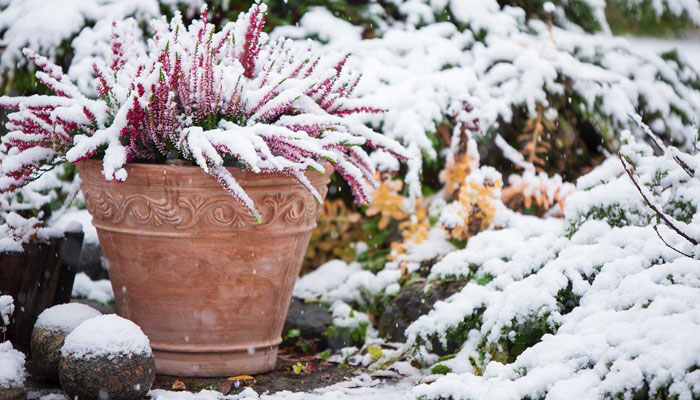
Winter can make a garden look almost maintenance-free. Plants stop growing, weeds seem to disappear, and the whole yard gets quieter. That doesn’t mean everything is fine underground or beneath the snow.
Some garden problems stay hidden for weeks and only become obvious when temperatures rise again. A little attention during winter can help you spot trouble before it turns into dead plants, damaged trees, water problems, or a much bigger cleanup job.
1. Dry Soil Around Evergreen Plants
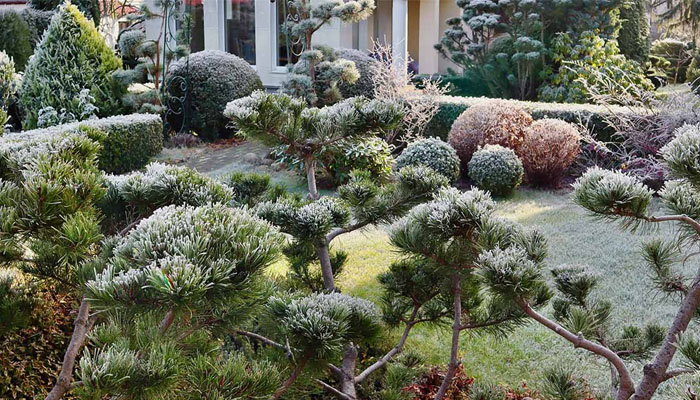
Winter rain and snow can give you the impression that your garden has plenty of moisture. But evergreen trees and shrubs still lose water through their foliage, especially during cold, dry, windy weather.
The tricky part is that frozen ground can make it difficult for roots to replace that lost moisture. By spring, you may notice brown needles, dull foliage, or branches that look unusually dry. Check the soil around evergreen plants during extended dry spells. If the ground isn’t frozen and the plant needs water, a deep watering may be more useful than frequent light watering.
2. Poor Drainage and Standing Water
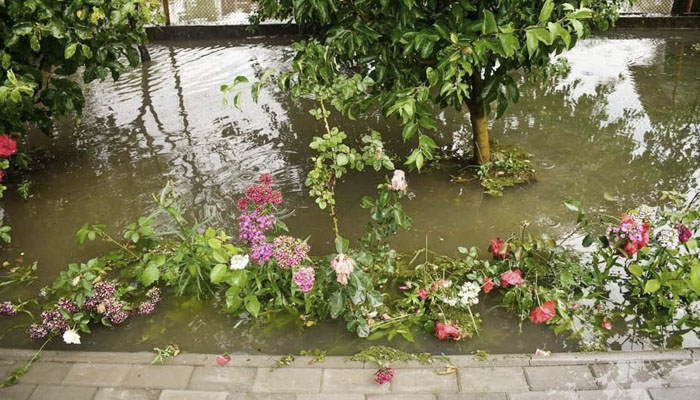
A puddle that disappears after a day of rain isn’t usually a big deal. Water that keeps sitting in the same spot is another story.
Winter can make drainage problems easier to miss because plants aren’t actively growing. Look for low areas where water collects, especially around garden beds, trees, shrubs, and downspouts. Constantly wet soil can create root problems and leave plants struggling when spring growth begins.
If a plant looks weak in spring, don’t automatically blame fertilizer or cold weather. The real problem may have started with water sitting around its roots for months.
3. Frost-Heaved Plants
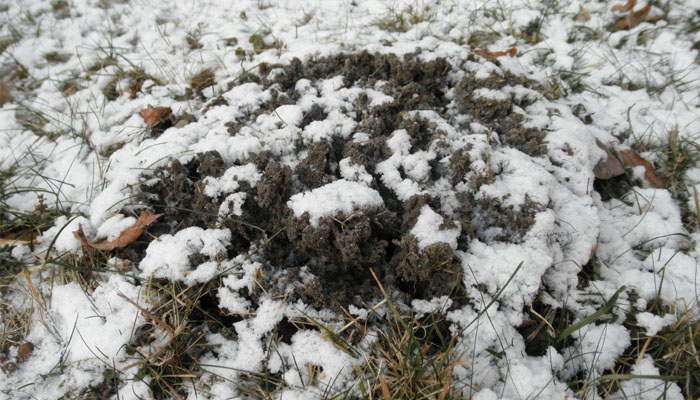
Freeze-and-thaw cycles can quietly move plants out of the soil. As moisture in the ground freezes and expands, it can push shallow-rooted plants upward. When the soil thaws, it doesn’t always settle back around the roots.
This is known as frost heaving, and it can leave crowns or roots partially exposed. The damage may not be obvious until warmer weather arrives.
During a winter inspection, look at plants that seem to have lifted above the surrounding soil. If roots are exposed, they may need protection once conditions allow. Avoid aggressively packing frozen soil around the plant, but don’t ignore exposed roots either.
4. Broken Branches From Snow and Ice
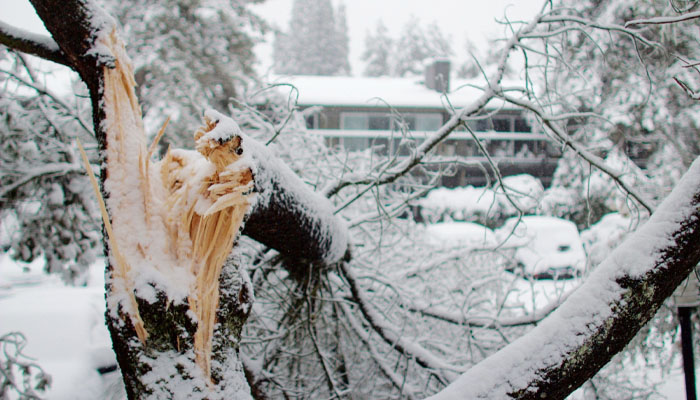
Heavy snow and ice can put tremendous weight on tree branches. Some branches snap immediately. Others develop cracks and remain attached, making the damage surprisingly easy to overlook.
Take a careful look at trees and large shrubs after a major snow or ice event. Watch for split limbs, hanging branches, fresh cracks, or branches that have suddenly changed position.
This isn’t only a plant-health issue. A damaged branch hanging over a walkway, driveway, fence, or roof can become a bigger problem when wind picks up. If a large or high branch is damaged, professional tree service may be safer than trying to handle it yourself.
5. Winter Sun and Wind Damage
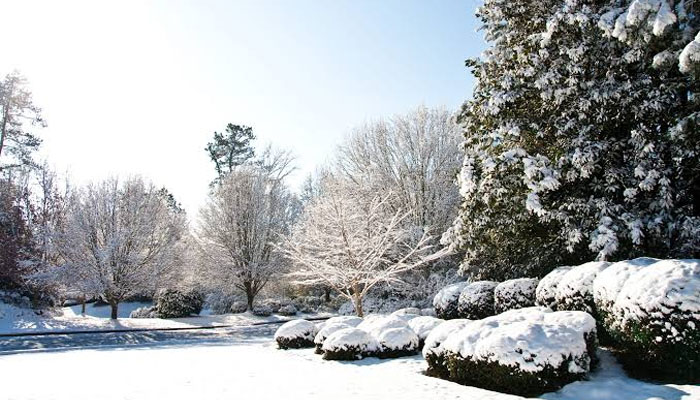
Plants can suffer from winter drying even when temperatures are well below summer levels. Bright sun, cold winds, and frozen soil can create a difficult combination for evergreen foliage.
The result can be brown or scorched-looking leaves and needles, particularly on plants exposed to strong afternoon sun or prevailing winds. Newly planted evergreens may be especially vulnerable because their root systems haven’t fully established.
When checking your garden, pay attention to the side of plants facing open areas or strong winds. Damage isn’t always evenly distributed. One side may look healthy while the exposed side shows noticeable browning.
6. Rodent Damage Under Mulch and Snow
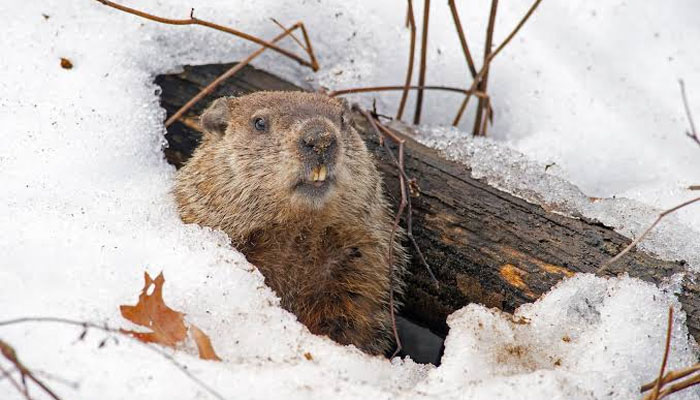
Snow and thick layers of mulch can provide excellent hiding places for small animals during winter. When food is harder to find, rodents may also turn to young trees and shrubs.
The first sign may be damaged bark near the base of a plant. Look for gnaw marks, missing bark, or narrow trails through mulch and snow. Young trees are worth particular attention because significant bark damage can interfere with the plant’s ability to move water and nutrients.
Don’t assume that a plant is safe simply because you haven’t seen animals in the yard. Much of their winter activity happens under cover, where it’s easy to miss.
7. Winter Weeds Hiding in Plain Sight
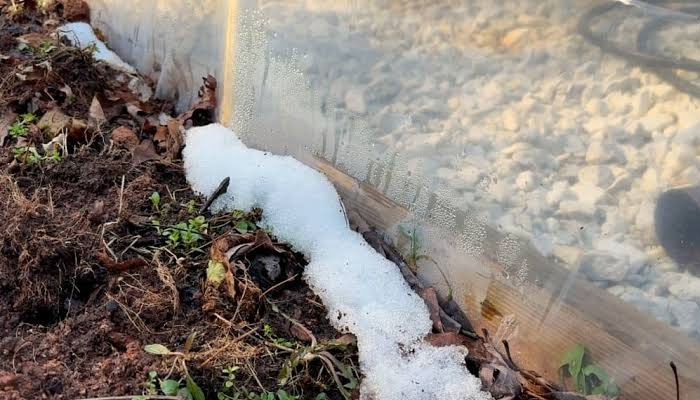
Not every weed takes the winter off. In regions with mild winters, some weeds continue growing slowly while lawns and garden plants remain dormant.
That can give weeds a head start before spring arrives. Check around garden beds, paths, fences, retaining walls, and other spots where weeds commonly appear.
You don’t necessarily need to spend every winter weekend pulling plants from the ground. The useful part is noticing where they’re appearing. Catching a small patch before spring growth accelerates can mean less work later.
8. Damaged Hoses, Irrigation Lines, and Outdoor Connections
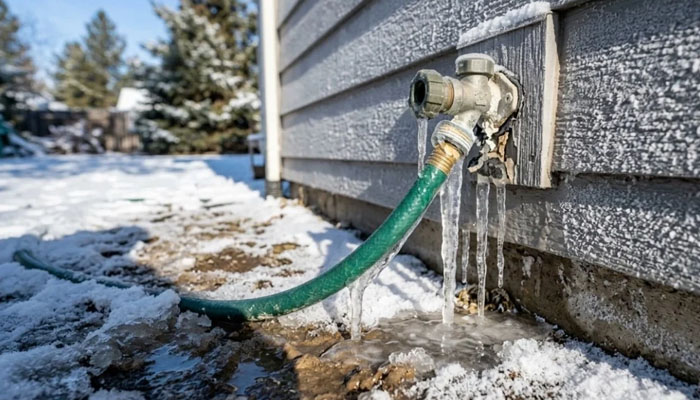
Garden equipment can have its own winter problems. Water left inside hoses, irrigation components, or outdoor plumbing can freeze and expand, potentially causing cracks or damaged connections.
The problem may remain invisible until you turn the system back on in spring.
Before that happens, inspect hoses, sprinkler components, drip irrigation connections, and outdoor faucets for visible cracks or damage. If something looks questionable, don’t wait for the first warm weekend to discover a leak.
A small damaged connection can be much easier to deal with before it becomes a steady stream of water running across your yard.
9. Hidden Pest and Disease Problems
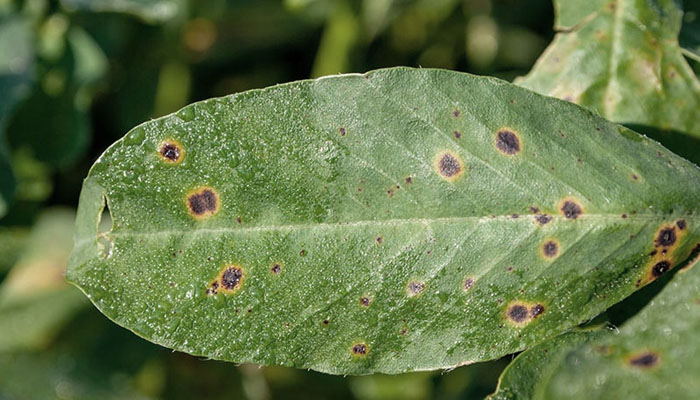
Winter doesn’t necessarily erase pest and disease problems. Some insects survive in protected areas, while certain diseases can remain associated with infected plant material.
Look closely at branches, bark, stems, and the base of plants. Egg masses, unusual growths, damaged bark, and leftover diseased leaves can provide clues about what happened during the previous growing season.
Winter is also a useful time to notice problems without dense foliage getting in the way. If something looks unusual, take a photo and identify the plant and symptom before reaching for a treatment. Different pests and diseases can look surprisingly similar, and treating the wrong problem can waste both time and money.