
For years, raised garden beds have been one of the most popular backyard projects. They’re neat, organized, and can make almost any yard look like it’s ready for a gardening magazine. If you’ve spent any time browsing gardening videos or home improvement websites, you’ve probably seen dozens of beautiful raised bed gardens.
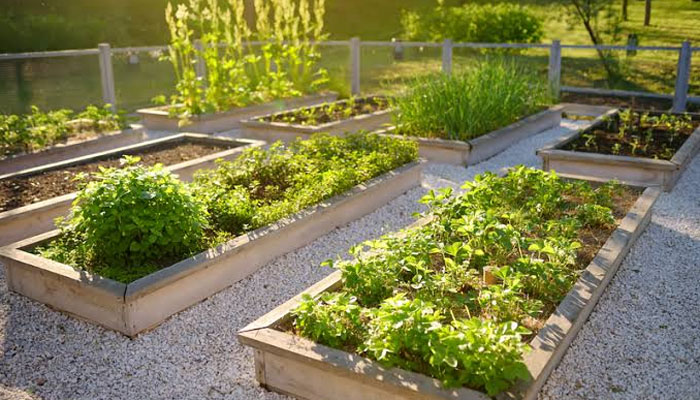
But after living with them for a few seasons, many homeowners are discovering that raised beds aren’t always the easiest option. Wood eventually begins to rot, filling them with fresh soil isn’t cheap, and building them can take an entire weekend—or longer. Here are some of the alternatives becoming increasingly popular.
Traditional Raised Beds Aren’t Right for Everyone
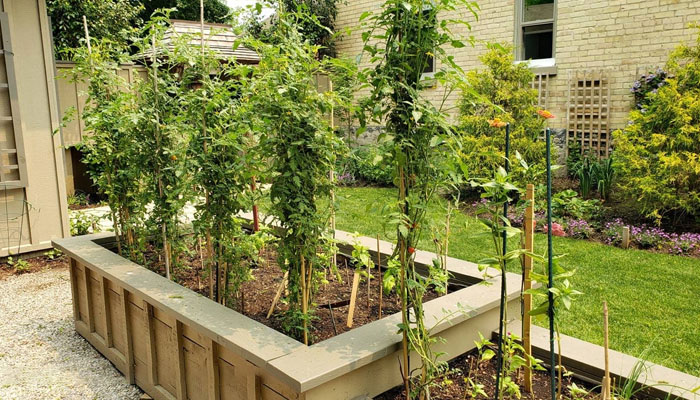
There’s no question that raised beds have plenty of advantages. They improve drainage, help organize a garden, and can reduce some weed problems. However, they also come with ongoing costs that many first-time gardeners don’t expect.
A wooden raised bed may look great when it’s first built, but constant exposure to rain, sun, and soil moisture slowly wears it down. Depending on the type of lumber, it may need repairs or replacement after several years. On top of that, filling even one large bed with quality garden soil and compost can cost much more than people expect. For homeowners who simply want to grow fresh vegetables without taking on another home maintenance project, that can be frustrating.
Grow Bags Make Gardening Surprisingly Simple
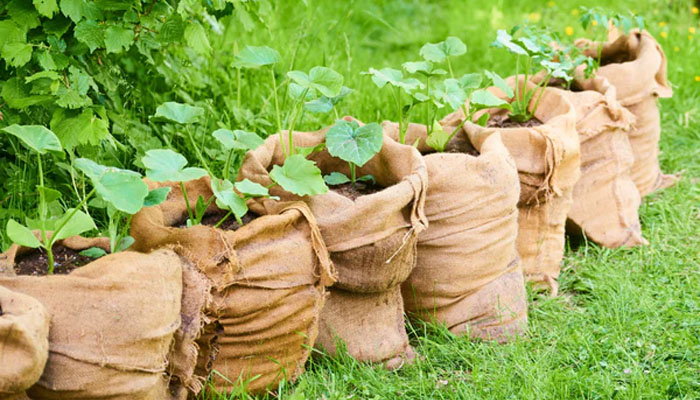
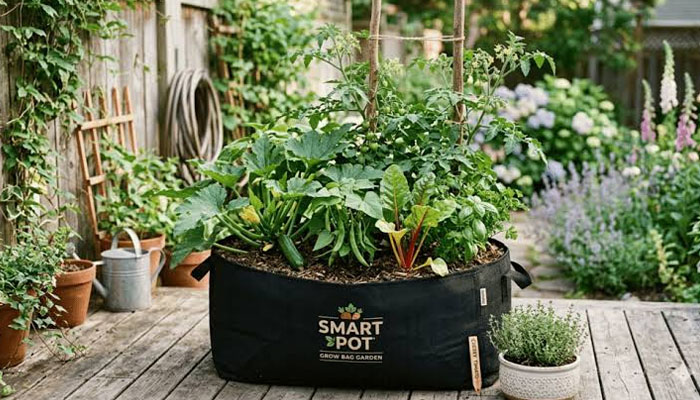
One of the biggest trends in home gardening is the use of grow bags. These fabric containers have become a favorite because they eliminate nearly all of the setup work.
Simply fill a bag with potting mix, plant your vegetables, and you’re ready to grow. When the season ends, they’re easy to empty, store, or move to another location. They also provide excellent drainage, helping prevent roots from sitting in overly wet soil after heavy rain.
Grow bags work especially well for tomatoes, peppers, potatoes, cucumbers, and herbs. They’re also a great option for renters or anyone who doesn’t want to make permanent changes to their yard.
Metal Garden Beds Offer Long-Term Value
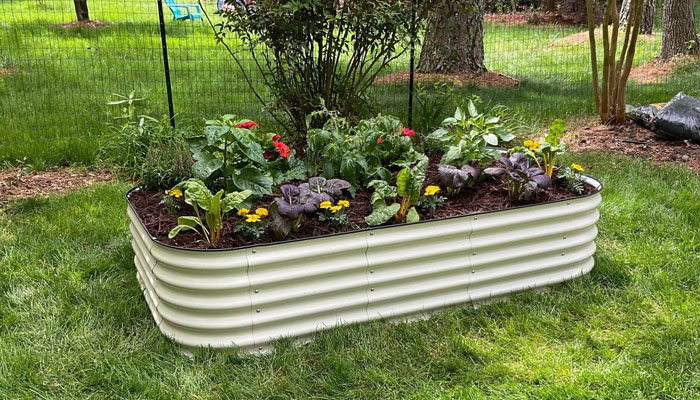
For gardeners who still like the idea of raised beds but want less maintenance, metal garden beds have become an increasingly popular upgrade.
Unlike wood, galvanized steel won’t rot, crack, or attract insects. Many gardeners appreciate that they can leave a metal bed outdoors year-round without worrying about replacing boards every few years. While the initial price is often higher than a simple wooden frame, many people find it saves money over time because it lasts much longer.
Another bonus is appearance. Clean metal beds fit well in both modern and traditional landscapes, giving the garden a tidy, organized look with very little upkeep.
No-Dig Gardening Keeps Things Simple
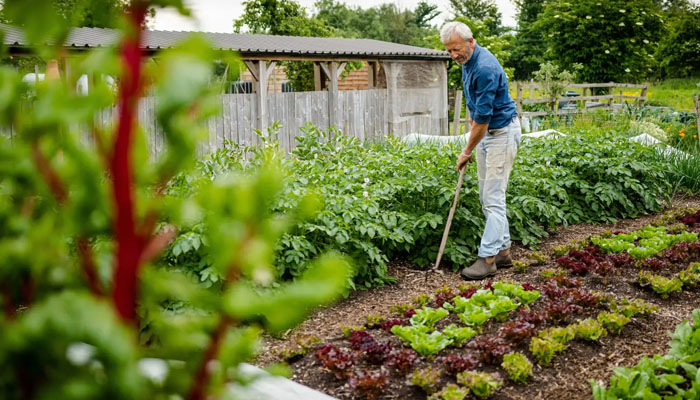
Digging has never been everyone’s favorite part of gardening, especially after a long day or for anyone with back or knee pain. That’s one reason the no-dig gardening method has gained such a loyal following.
Instead of turning over the soil every season, gardeners add layers of compost and organic material directly on top. Earthworms and other natural soil organisms gradually mix everything together, creating healthy soil over time.
Many gardeners say this approach leads to fewer weeds, healthier soil, and less physical effort. While it takes some patience, it can be one of the easiest ways to build productive garden beds without hauling out a shovel every spring.
Don’t Overlook Traditional In-Ground Gardening
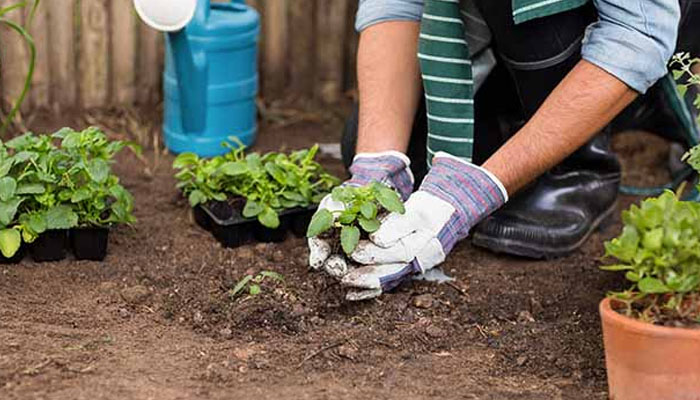
With so much attention on raised beds, it’s easy to forget that people successfully grew vegetables directly in the ground for generations.
If your yard already has decent soil and drains well, planting directly in the ground may be the simplest and least expensive choice. There’s no lumber to buy, no frames to assemble, and no large volume of soil to purchase before you can start planting.
An in-ground garden is also easy to expand. If you decide you want a few more tomato plants or another row of beans next season, you simply prepare a little more space instead of building another raised bed.
Straw Bale Gardening Is Worth Considering
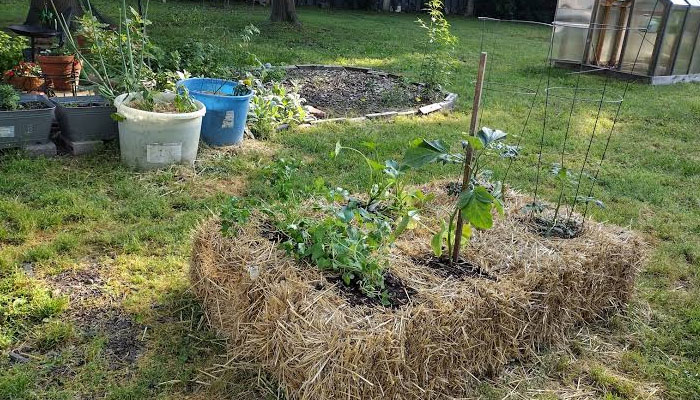
At first glance, growing vegetables in straw bales sounds unusual. But many gardeners are surprised by how effective this method can be.
After conditioning the straw for a short period, the bale becomes a growing medium for vegetables such as squash, cucumbers, tomatoes, and peppers. The elevated planting surface also means less bending while working in the garden.
Straw bale gardening is especially helpful for yards with poor soil or areas where digging is difficult. It’s also a fun way to experiment without making permanent changes to the landscape.
Vertical Gardens Make the Most of Small Spaces
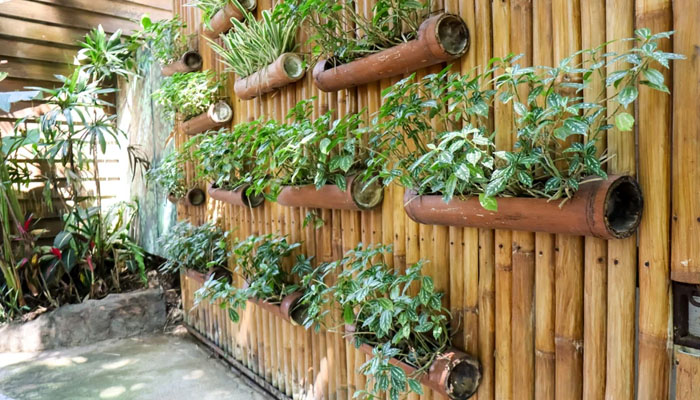
Not everyone has room for a large backyard vegetable garden. Fortunately, gardening upward instead of outward has become easier than ever.
Wall planters, trellises, hanging baskets, and vertical towers allow gardeners to grow herbs, strawberries, lettuce, beans, and even some tomatoes in surprisingly small spaces. Besides saving space, vertical gardens also make harvesting easier because many plants are closer to eye level.
They’re perfect for patios, decks, balconies, or compact suburban backyards where every square foot counts.
Choosing the Best Option for Your Garden
The truth is, there isn’t one perfect gardening method for everyone. The best choice depends on your space, your budget, and how much time you want to spend maintaining your garden.
If you’re looking for the lowest-cost option, planting directly in the ground may be all you need. If convenience is your priority, grow bags are hard to beat. For homeowners who want something durable that still offers the benefits of raised beds, metal garden beds are an excellent investment. And if bending over has become less comfortable over the years, no-dig gardening or straw bale gardening may make growing vegetables much more enjoyable.