
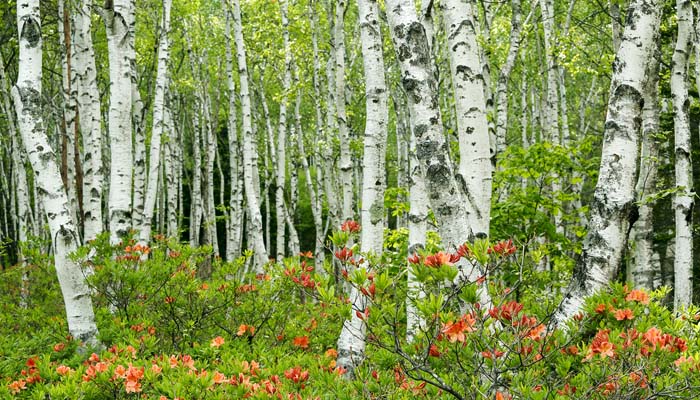
Birch trees are among the most elegant and recognizable trees in the world. With their distinctive bark, graceful branches, and seasonal beauty, they bring a natural sense of calm and structure to any garden. Whether you want shade, ornamental appeal, or wildlife support, birch trees offer a wide range of options for different climates and landscape styles.
But not all birches are the same. Some thrive in cold northern regions, while others tolerate milder climates. Some stay compact for small gardens, while others grow tall and dramatic. Here are 11 common types of birch trees you should consider growing in your garden.
1. Silver Birch (Betula pendula)
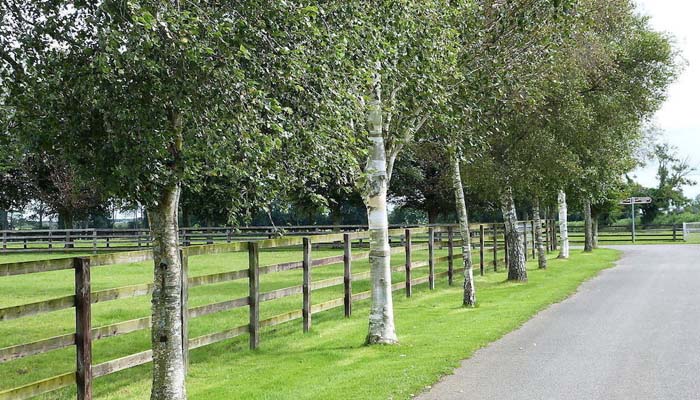
The Silver Birch is one of the most popular ornamental birch trees. It is known for its striking white bark that peels in thin layers and its delicate, drooping branches.
This tree grows quickly and adapts well to poor soils, making it ideal for low-maintenance gardens. In autumn, its leaves turn a soft yellow, adding seasonal interest. It works well as a focal point in medium to large gardens.
2. River Birch (Betula nigra)
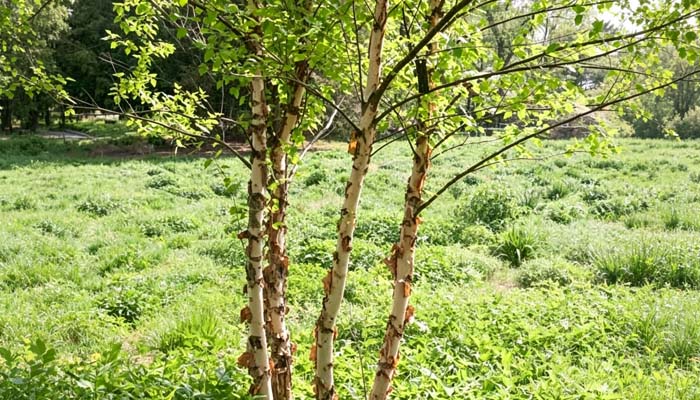
River Birch is highly valued for its heat tolerance, which sets it apart from many other birch species. Native to the United States, it thrives in moist environments like riverbanks and wetlands.
Its bark ranges from cinnamon-brown to creamy white and peels in attractive curls. This tree is especially useful for erosion control and works well in rain gardens or areas with heavy soil.
3. Paper Birch (Betula papyrifera)
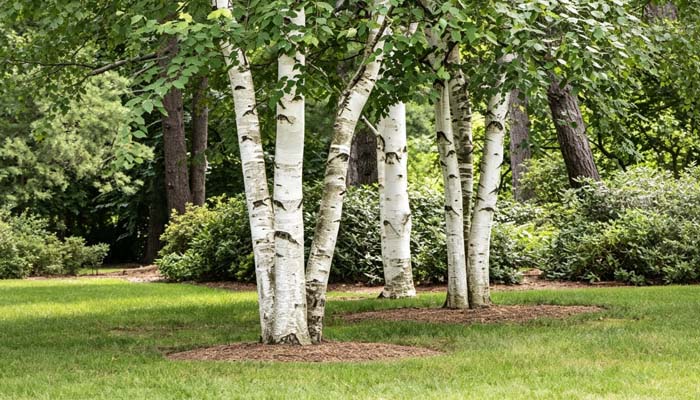
Also known as Canoe Birch, this species is famous for its bright white bark that peels like paper sheets. Historically, Indigenous peoples used it for building canoes and containers.
Paper Birch prefers cooler climates and does best in northern regions. It adds strong visual contrast in gardens, especially when planted against evergreen backgrounds.
4. Himalayan Birch (Betula utilis)
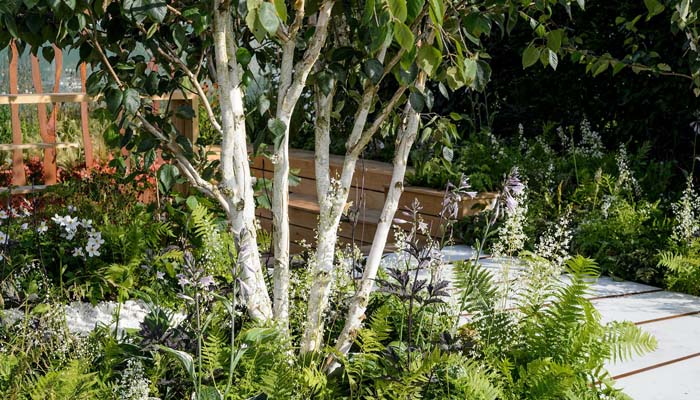
Himalayan Birch is prized for its brilliant chalk-white bark and elegant upright shape. It is one of the most decorative birch species available.
This tree is often used in landscape design for modern or minimalist gardens. It prefers cooler temperatures and well-drained soil. Its bark becomes even more striking as it matures.
5. Yellow Birch (Betula alleghaniensis)
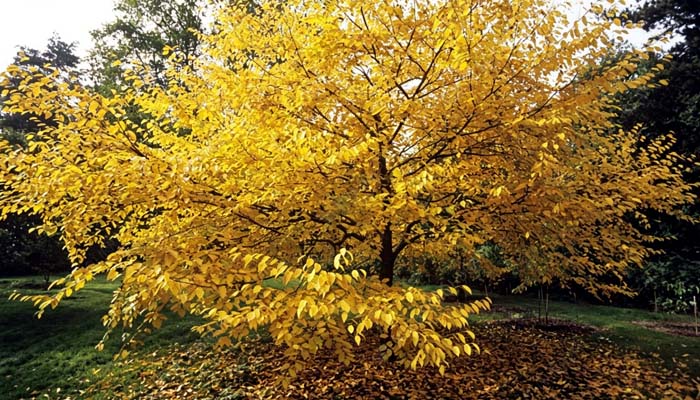
Yellow Birch is known for its golden-bronze bark that peels in thin, curly strips. It is native to northeastern North America and grows slowly but steadily into a large, long-lived tree.
This species prefers shaded, cool environments and is often found in mixed forests. In gardens, it works best in naturalistic or woodland-style landscapes.
6. Dwarf Birch (Betula nana)
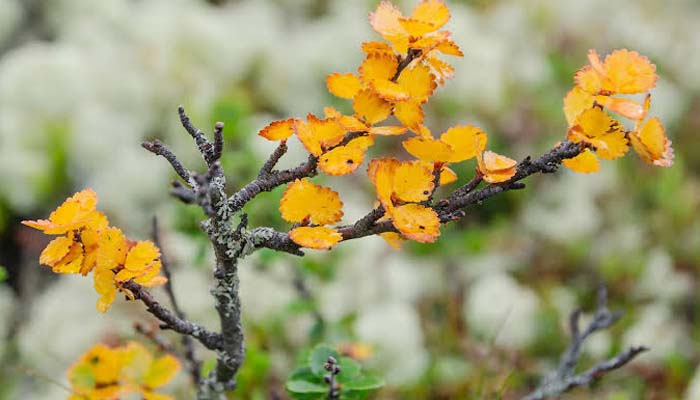
Dwarf Birch is a low-growing shrub-like species, making it perfect for small gardens or rock landscapes. It rarely grows taller than a few feet.
This plant is commonly found in Arctic and subarctic regions. It adds texture and ground-level greenery where taller trees would overwhelm the space.
7. Black Birch (Betula lenta)
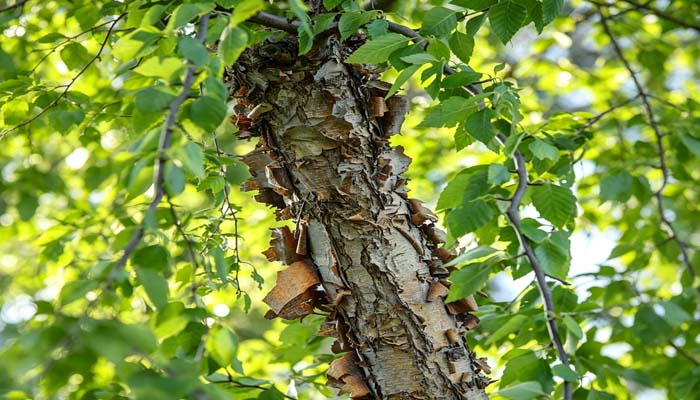
Black Birch, also called Sweet Birch, has dark reddish-brown bark and a strong wintergreen scent when its twigs are crushed.
It grows well in shaded woodland gardens and provides excellent fall color. The wood is also valued for its durability, though in gardens it is mainly grown for ornamental and ecological benefits.
8. Gray Birch (Betula populifolia)
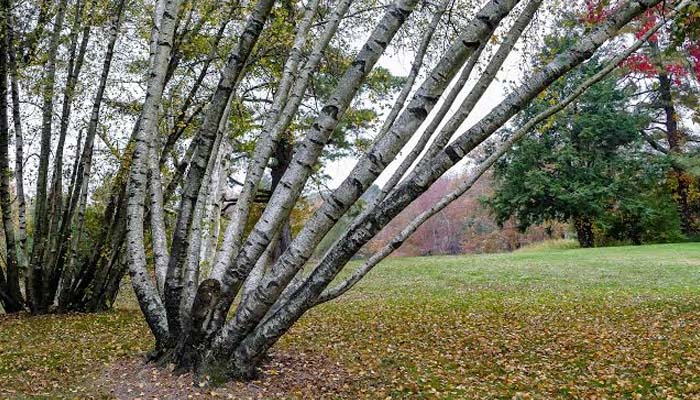
Gray Birch is a fast-growing, short-lived species often used for quick landscape coverage. Its bark is white with black triangular markings near the base.
It thrives in poor soils and disturbed areas, making it a good choice for land restoration projects or naturalized gardens.
9. Japanese White Birch (Betula platyphylla var. japonica)
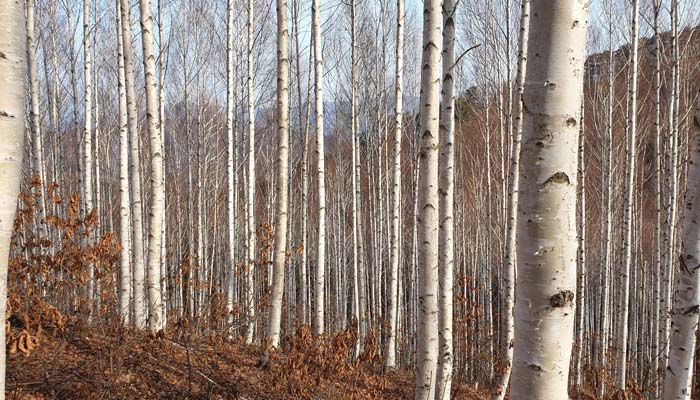
This elegant birch features smooth white bark and a refined, upright structure. It is widely used in East Asian landscape design.
It prefers cool climates and well-drained soil. Its clean appearance makes it ideal for formal gardens or modern landscape layouts.
10. Water Birch (Betula occidentalis)
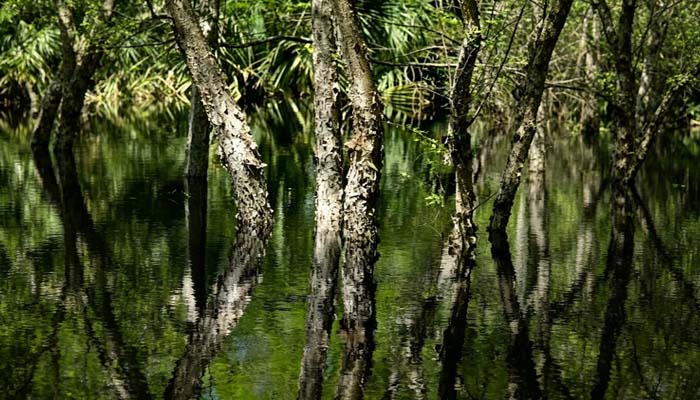
Water Birch is native to western North America and is commonly found along streams and moist slopes.
Unlike many white-barked birches, its bark is darker and reddish-brown. It is smaller in size, making it suitable for tighter garden spaces or natural riparian plantings.
11. European White Birch (Betula pubescens)
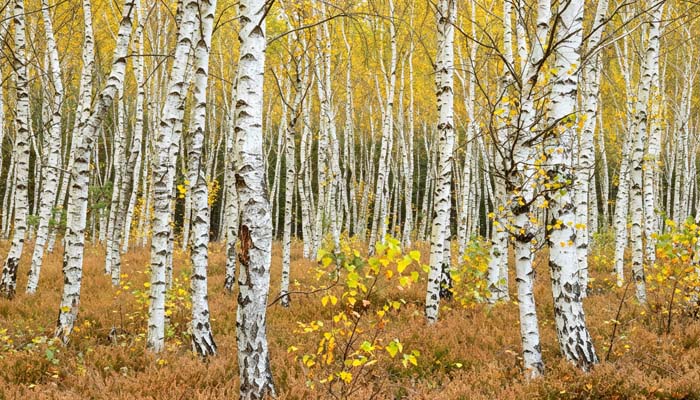
Often confused with Silver Birch, the European White Birch has softer, hairier leaves and slightly less dramatic bark.
It is extremely cold-hardy and commonly found in northern Europe. In gardens, it works well in woodland settings and mixed tree plantings.
Why Birch Trees Are Worth Growing
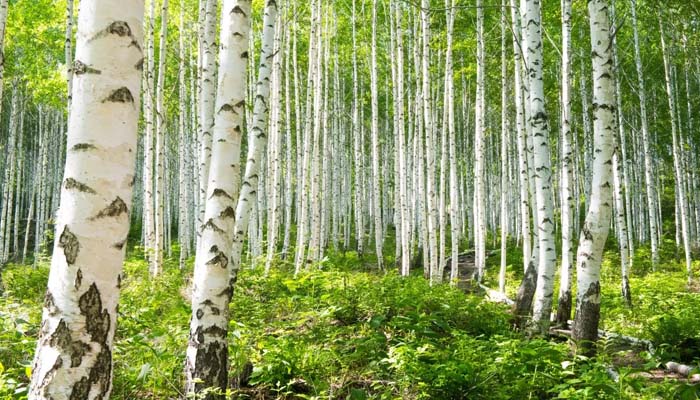
Birch trees offer more than just visual appeal. They improve biodiversity by supporting birds, insects, and fungi. Their light canopy allows underplanting with shrubs and flowers, creating layered garden designs.
They also provide seasonal interest—from fresh green leaves in spring to golden tones in autumn and striking bark in winter. Even in dormant seasons, birch trees remain visually engaging.
Final Thoughts
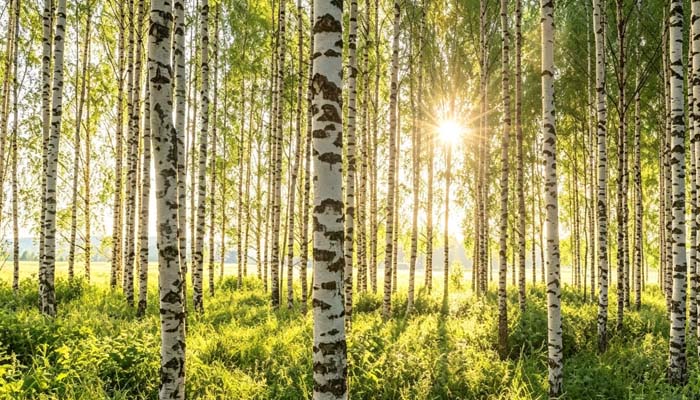
Choosing the right birch tree depends on your climate, soil type, and garden size. If you want dramatic white bark, Silver Birch or Himalayan Birch are excellent choices. For wetter areas, River Birch is more reliable. For small spaces, Dwarf Birch offers a compact alternative.
No matter which type you choose, birch trees bring elegance, movement, and year-round beauty to any garden landscape.