
When winter arrives, many homeowners assume the garden is officially “closed for business.” Plants stop growing, lawns turn quiet, and it’s tempting to ignore the yard entirely until spring. But winter isn’t a free pass—it’s more like a low-maintenance season with a few critical tasks that quietly set the stage for a healthier garden later.
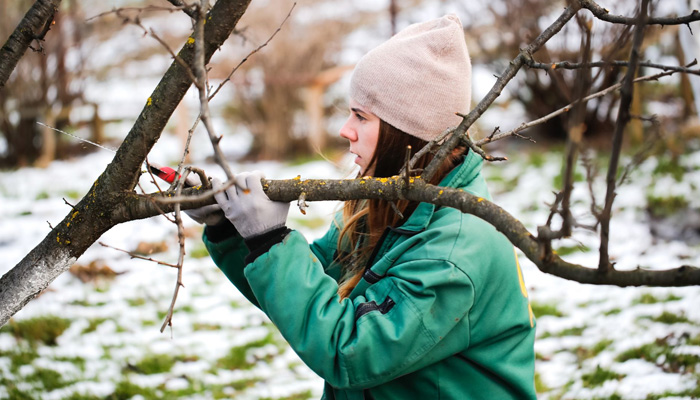
The good news? You don’t need to be outside every weekend. A handful of smart winter chores can protect your plants, improve soil health, and save you serious time come spring. Even better, there are a few popular tasks you can safely skip—no guilt required.
Let’s break down what actually matters.
5 Garden Chores You Should Do in Winter
1. Clean Up Dead and Diseased Plant Material
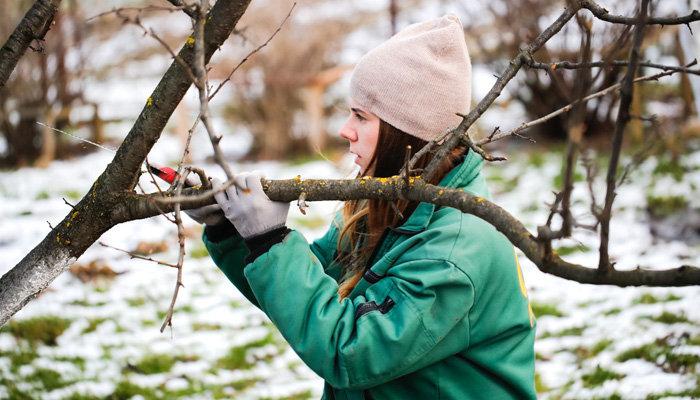
Winter is the perfect time to remove dead annuals, spent vegetables, and any plants that showed signs of disease during the growing season. Leaving this material behind can invite pests and fungal problems that overwinter in plant debris.
Focus on anything that looks moldy, mushy, or heavily damaged. Pull it up, bag it, and keep it out of your compost pile if disease was involved. Healthy leaves and stems, however, can often be composted or used as mulch.
Think of this as basic garden hygiene—quiet now, but incredibly helpful later.
2. Protect Vulnerable Plants from Cold Damage
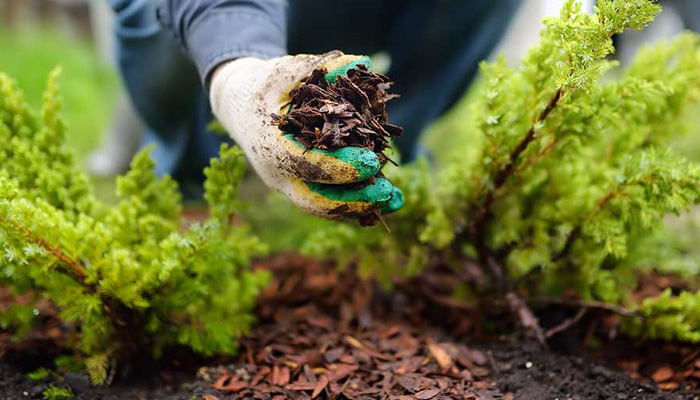
Not all plants are built for winter weather. Young shrubs, newly planted perennials, and frost-sensitive species benefit from extra protection once temperatures drop.
Mulching is one of the easiest solutions. A few inches of straw, shredded leaves, or bark mulch helps insulate roots and regulate soil temperature. For especially delicate plants, breathable frost cloths or burlap wraps can shield them from harsh winds and sudden freezes.
This small effort can mean the difference between a plant bouncing back in spring—or needing replacement.
3. Prune Select Trees and Shrubs (But Not All)
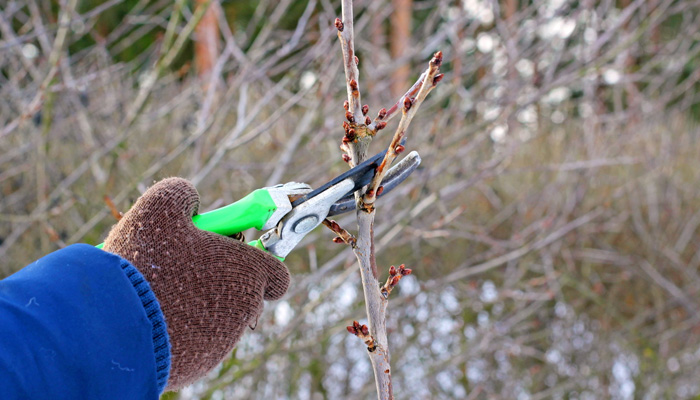
Winter is an excellent time to prune many deciduous trees and shrubs, since they’re dormant and easier to shape without leaves in the way. Removing dead or crossing branches now improves structure and reduces stress once growth resumes.
That said, timing matters. Summer-flowering shrubs generally respond well to winter pruning, while spring-blooming plants should wait until after they flower, or you risk cutting off buds.
If you’re unsure, a quick rule of thumb is to prune for health and safety only—dead, damaged, or dangerous branches are always fair game.
4. Improve Soil While It Rests

Winter soil may look lifeless, but it’s actually preparing for the next growing season. Adding compost, aged manure, or organic matter now gives it time to break down naturally.
Freeze-thaw cycles help incorporate nutrients, improving soil structure without extra effort. By spring, your beds will be richer, looser, and more ready to support new growth.
This is one of those “invisible wins” that pays off months later.
5. Plan and Prepare for Spring
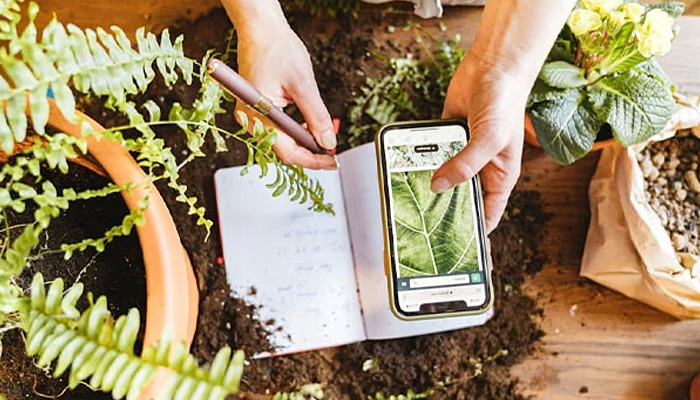
Winter is prime planning season. With the garden resting, you can review what worked, what didn’t, and what you want to change.
Now is a great time to:
Order seeds before popular varieties sell out
Sketch garden layouts
Research new plants or techniques
Clean and sharpen tools
A little planning indoors saves frustration when spring arrives and everything starts growing at once.
3 Garden Chores You Can Skip in Winter
1. Fertilizing the Lawn
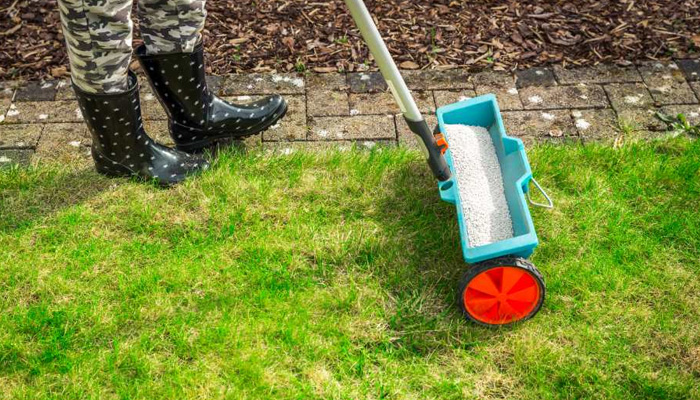
It’s a common misconception that lawns need winter feeding. In reality, most grasses are dormant and won’t absorb nutrients efficiently during cold months.
Applying fertilizer now often leads to runoff, wasted product, and even environmental harm. Save feeding for early spring or fall, when grass can actually use it.
Your lawn won’t thank you for winter fertilizer—but your wallet might for skipping it.
2. Heavy Watering
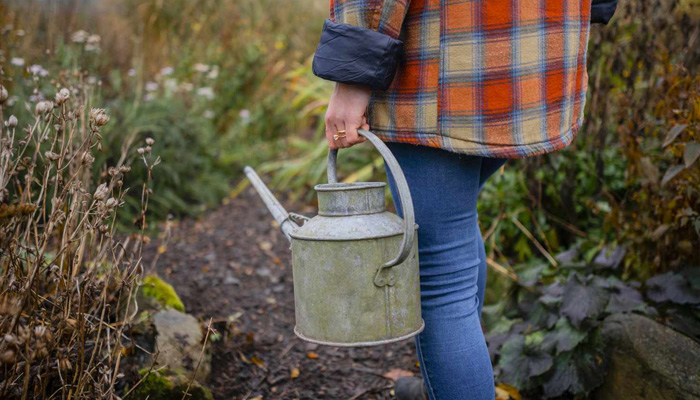
Unless you live in a dry climate or are experiencing an extended drought, winter watering is usually unnecessary. Cooler temperatures reduce evaporation, and many plants require far less moisture during dormancy.
Overwatering in winter can lead to root rot and fungal issues, especially in poorly drained soil. Let nature handle most of the watering, and only step in if conditions are unusually dry.
3. Turning or Tilling the Soil Repeatedly
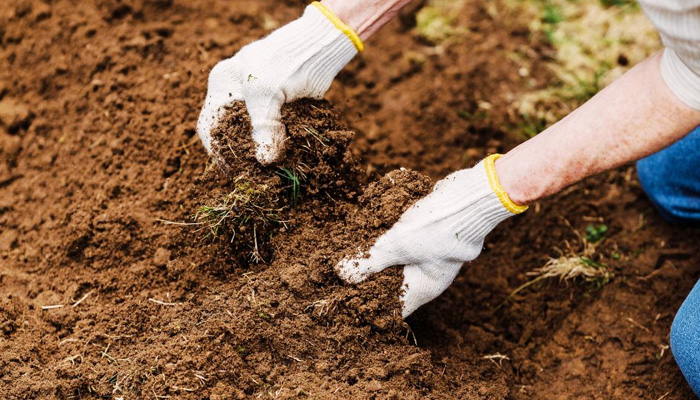
While adding compost is helpful, aggressive tilling throughout winter can actually do more harm than good. Frequent disturbance breaks down soil structure and disrupts beneficial organisms that work quietly below the surface.
If you must turn soil, do it once—and gently. Otherwise, let the ground rest.
The Bottom Line
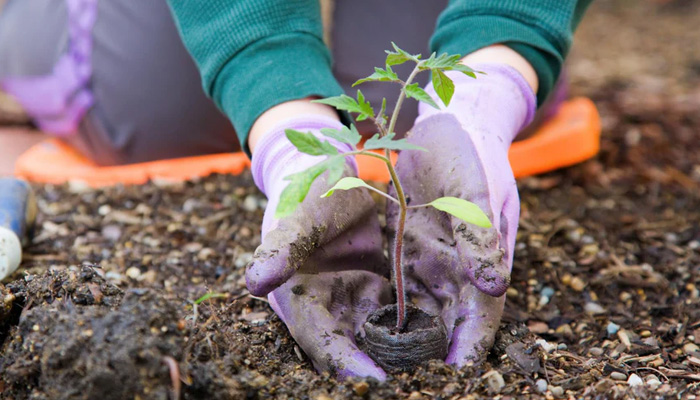
Winter gardening isn’t about doing more—it’s about doing the right things. A few targeted chores can protect your plants, strengthen your soil, and make spring gardening smoother and more enjoyable.
Just as important, knowing what to skip helps you avoid wasted effort and unnecessary stress. Your garden doesn’t need constant attention in winter—but it does appreciate thoughtful care.
Take advantage of the slower season. Your future garden will thank you for it.